Napa Wildfire Study Finds Strong Prevention Work, but the Funding to Maintain It Is Fragmented
The Phase 1 report from the Darwin Fund, supported by CSAA Insurance Group, counts 552 parcels in the county’s Enhanced Resilience Site pipeline and says no financing structure is yet in place to sustain the work.
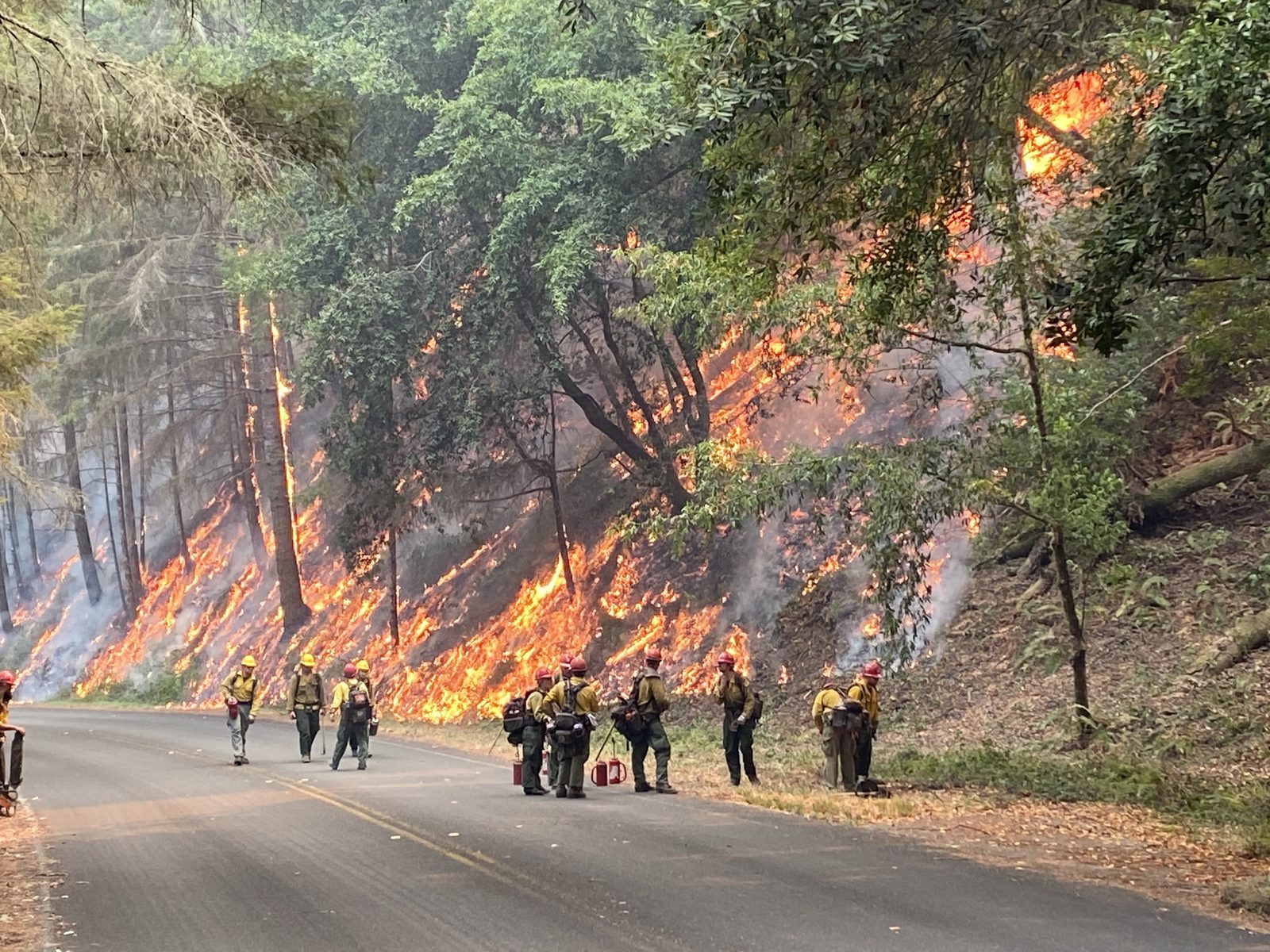
NAPA: Napa County has substantial wildfire prevention work underway, but the money to maintain it over the long term remains fragmented, according to a new study of the county’s wildfire resilience system. The Napa Wildfire Resilience System Phase 1 report was developed by the Darwin Fund with support from CSAA Insurance Group, Insurance Journal reported Oct. 14.
The report examines how existing wildfire prevention programs could be coordinated and financed to produce sustained reductions in wildfire risk, and whether those investments could improve insurance availability and reduce losses. It found that fuel breaks, evacuation routes, utility corridors and property mitigation measures can lose effectiveness without continued maintenance.
552 parcels in the pipeline
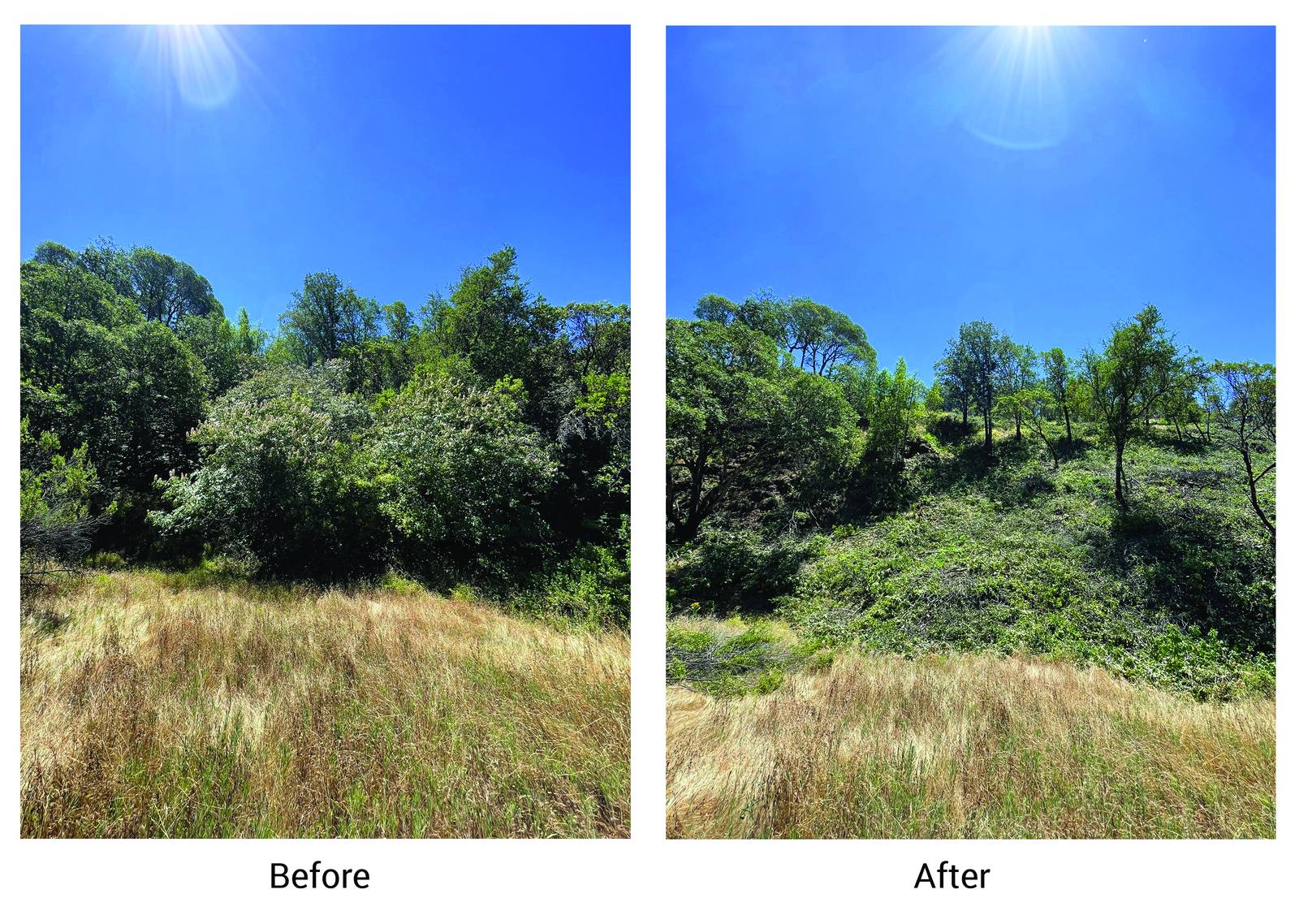
The analysis identified 552 parcel records in Napa’s Enhanced Resilience Site pipeline, including 408 parcels with work in progress and 144 classified as integrated, meaning they had completed the certification process. State treatment records also identified 54 projects, 99 treatments and roughly 6,200 acres of recorded treatment activity.
Fuel breaks, evacuation routes and property mitigation can lose effectiveness without continued maintenance, the report found.
Enhanced Resilience Sites are a designation Napa Firewise developed with CAL FIRE and the Napa County Fire Department for strategically important properties. The sites’ fuel reduction work, road access and water features are mapped into the Tablet Command platform firefighters use during incidents, and the sites are reviewed annually, according to Napa Firewise.
Napa Firewise reports that 10 to 15 new landowners enter the resilience process each month, that certification generally takes 30 to 60 days, and that certificates remain valid for one year, Insurance Journal reported.

Insurance benefits not yet proven
The study proposes testing whether mitigation measures across neighborhoods and communities can produce measurable benefits for insurers, including reduced expected losses, lower catastrophe exposure, improved underwriting capacity and greater insurance availability.
The first phase did not establish that existing mitigation efforts have reduced insurance premiums, improved coverage or produced measurable insurer cost savings. It also found that no dedicated repayment source or investment-ready financing structure has been established for a Napa-scale resilience program.
A second phase would examine the effectiveness and maintenance costs of selected prevention measures, evaluate potential insurance and utility benefits, and determine whether public funding, private contributions or a proposed California Optimization Bond financing structure could support continued investment. On its own site, the Darwin Fund describes the California Optimization Bond work as connecting resilience priorities, evidence, beneficiaries and funding pathways, starting with wildfire resilience in Napa County.
The first phase drew on more than 200 public sources, local wildfire treatment and parcel records, planning documents, and information provided by Napa Firewise and PG&E, Insurance Journal reported.
None to date. The Tribune corrects errors promptly and transparently. Read our corrections policy.