Two Napa Wineries Ask Federal Court to Pause County Enforcement of Winery Rules
Summit Lake and Smith-Madrone filed three preliminary-injunction motions on Sept. 30 challenging a $2 million road bill, event restrictions and limits on private tastings.
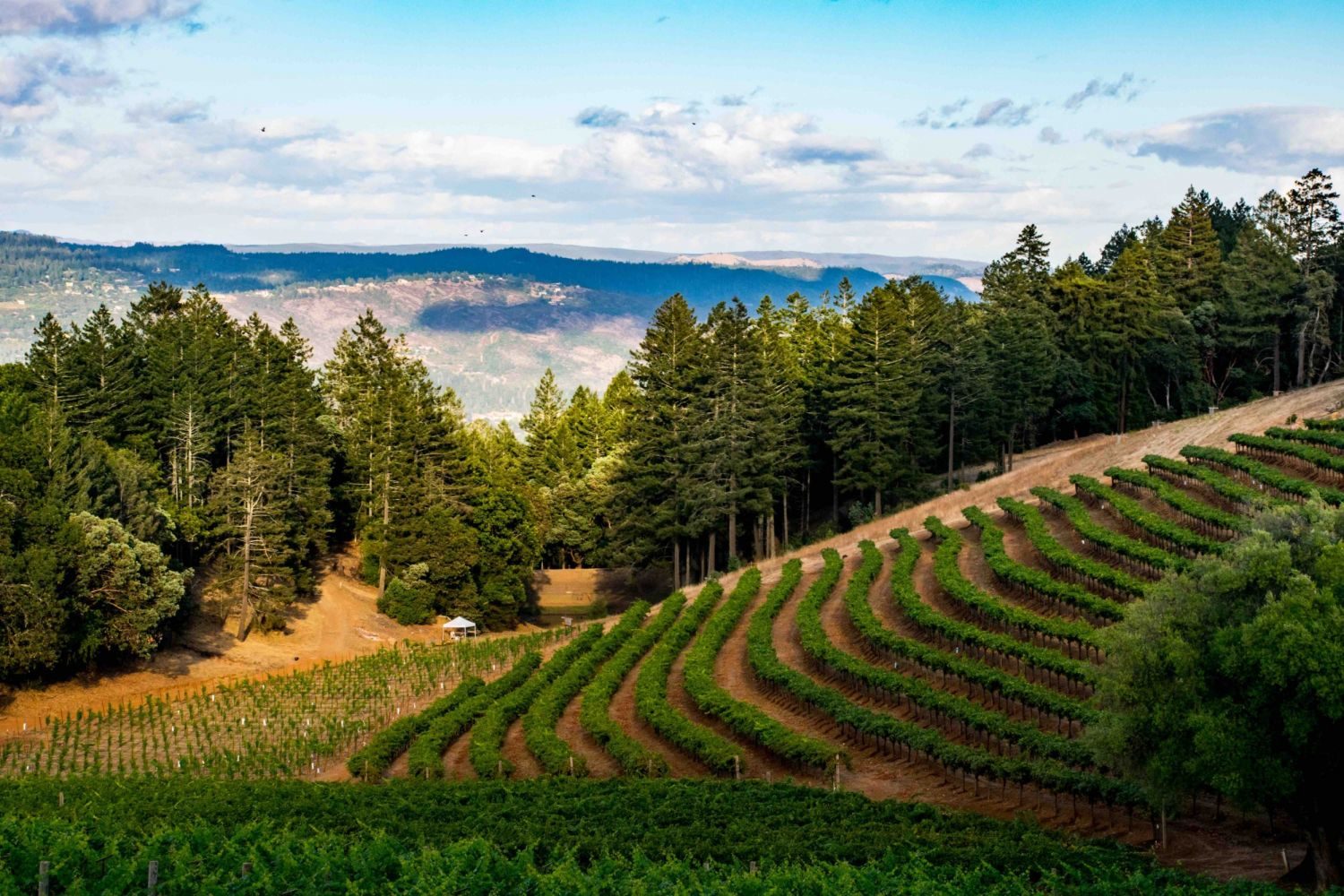
Two Napa Valley wineries have asked a federal judge to intervene now rather than wait for the end of their years-long lawsuit against Napa County. Summit Lake Vineyards & Winery and Smith-Madrone filed three preliminary-injunction motions on Sept. 30 asking the U.S. District Court for the Northern District of California to block enforcement of county rules on private tastings, winery gatherings and a private road while the broader case continues, according to Wine Industry Advisor and Wine X Magazine.
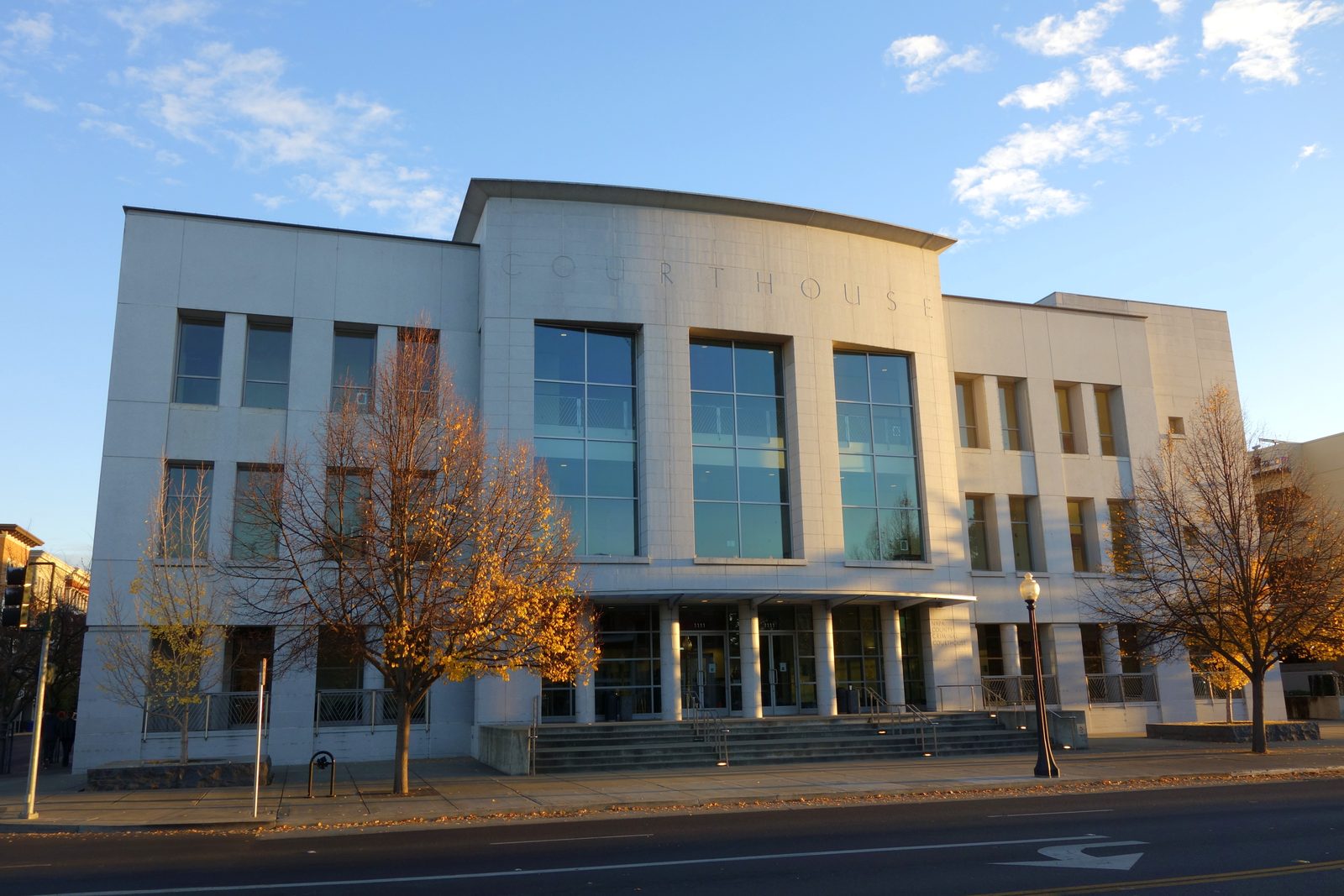
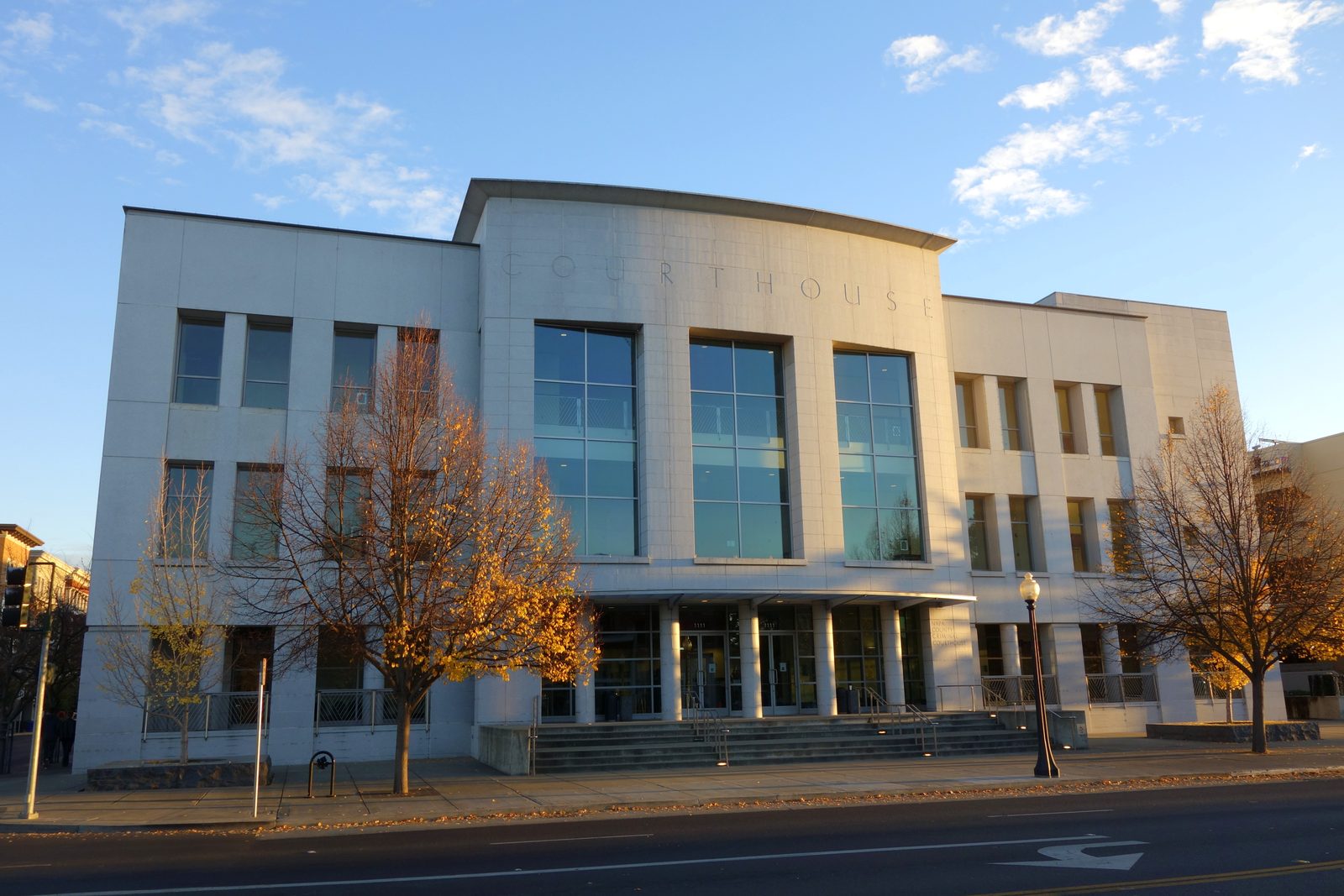
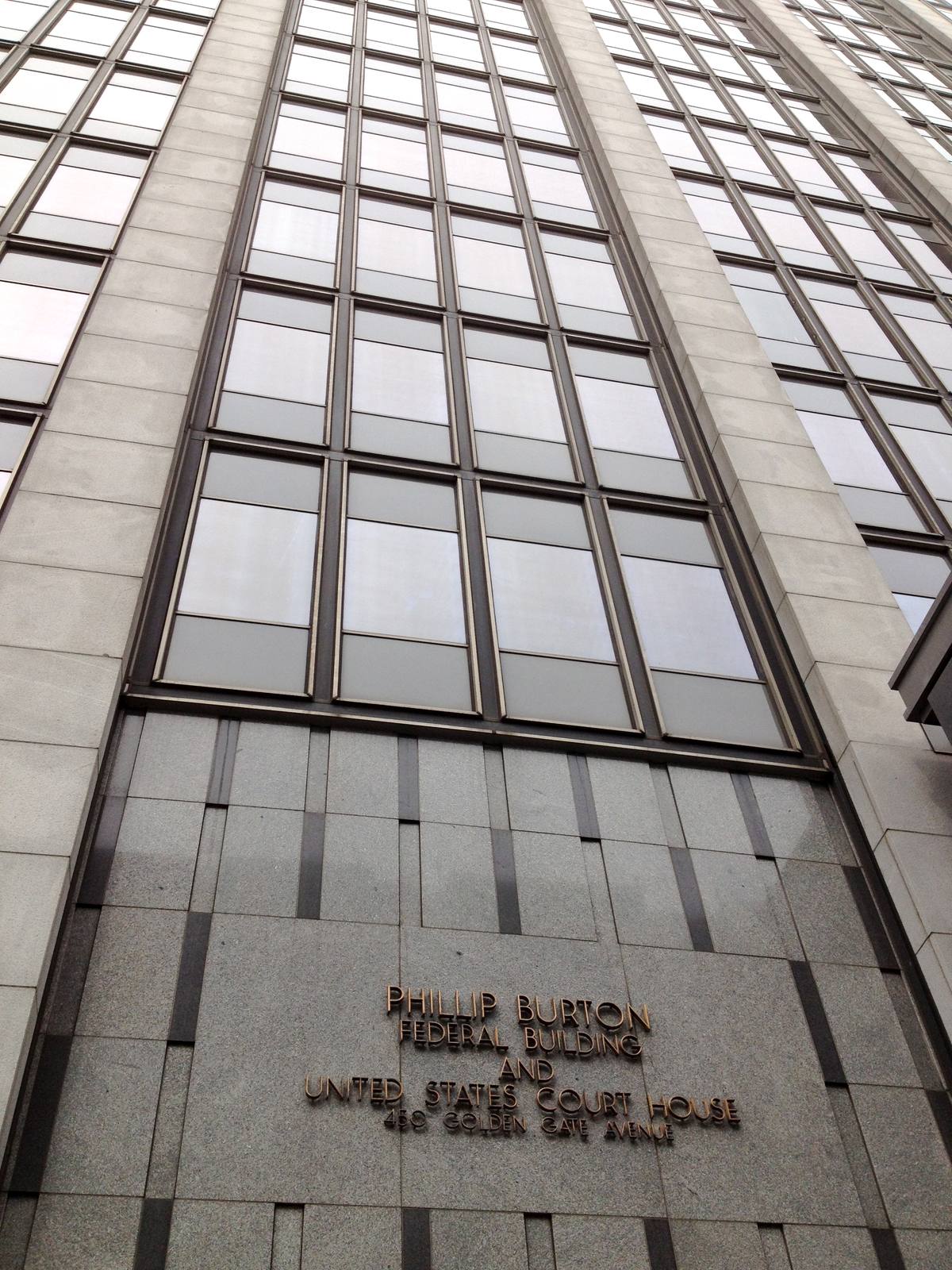
The underlying lawsuit, Hoopes Vineyard LLC et al. v. County of Napa, case number 3:24-cv-06256-CRB, challenges several aspects of how the county regulates wineries. The Ninth Circuit Court of Appeals affirmed in part, reversed in part and remanded the case on April 13, 2026. A hearing on the three new motions is scheduled for Nov. 20 at 10 a.m. before Judge Charles R. Breyer in San Francisco.
The three motions
The first motion concerns a road. Summit Lake says Napa County wants the winery to spend more than $2 million rebuilding a shared private road to commercial standards, even though the county’s own stated reason for the fix is the combined traffic of more than a dozen other properties that use the same road. Summit Lake says its own day-to-day operations would not add a single additional car, and argues the requirement is not just unfair but unconstitutional.
The motions ask the court to preserve the status quo while the larger case plays out.
The second motion concerns gatherings. Both wineries challenge how the county decides which winery events are allowed, arguing the rules treat ordinary winery gatherings such as harvest celebrations, winemaker dinners and food-and-wine pairings with the same approval process used for large commercial business events, and give officials too much discretion over whose events get approved.
The third motion concerns private, by-appointment tastings. For Smith-Madrone, the motion argues the county repeatedly told two federal courts, and admitted in sworn discovery responses, that the winery’s 1973 permit allows private tastings with no cap on visitors, before reversing itself and saying it does not know what the permit allows. For Summit Lake, the motion argues its 1984 permit only bars tastings open to the general public, not scheduled private appointments, and challenges the county’s position that a decades-old estimate of two visitors per week on the original application is now a hard cap.
A record of uncertainty
The wineries argue the disputes trace back to rules the county itself cannot define. The motions cite a 2009 county warning that winery rules could be reversed or re-interpreted at any time and risked being considered arbitrary, a 2015 planning memo that called the rules imprecise and lacking meaningful guidance, and the Napa County Civil Grand Jury’s 2025 report, Behind the Curtain: Napa County Use Permit Process, which found the winery database outdated and inaccurate and said permit conditions vary almost on a winery-by-winery basis.
One exhibit has drawn particular attention: a July 18, 1984, San Francisco Chronicle story, found by Smith-Madrone founder Stu Smith, describing a bus of about 50 Democratic National Convention delegates and spouses that wound up at the Spring Mountain winery after its driver got lost. One delegate called the road “insane”; Smith then led the group on a 45-minute vineyard walk, and his wife Susan served lunch of cold pasta salad, cantaloupe, watermelon and ice cream with fresh blueberries.
Joseph Infante, counsel for the wineries, said his clients are not asking the court to break new ground but to hold the county to what it has already acknowledged in writing and under oath for years. Napa County disputes the wineries’ broader characterization of its regulatory system, and Judge Breyer will decide whether to intervene while the constitutional case continues.
None to date. The Tribune corrects errors promptly and transparently. Read our corrections policy.