The Valley Answers Its Obituary
FT Magazine declared Napa Valley hungover. The people who prune its vines and pour its wines say the diagnosis missed the patient, and the history.
On Oct. 10, FT Magazine published “Napa Valley’s hangover,” a dispatch by Joel Stein whose standfirst asked whether “the Disneyland of wine” can survive the downturn: people drinking less, vines being ripped up, winemakers going bust. The piece traveled fast. In Napa Valley, it landed like a verdict handed down by someone who had already left town.
The response from inside the valley was swift and pointed. A widely shared local rebuttal, posted to Instagram by Napa resident Scott Becker, accused the piece of fly-in journalism with a disdainful bias: reducing a 175-year-old wine region to a caricature, missing the farmworkers and hospitality workers who are the valley’s backbone, and mistaking Napa’s prices for a flaw rather than the economics of scarcity. Expensive, the rebuttal noted, is also what Burgundy, Brunello and Birkin bags are.
But the rebuttal does not deny the downturn, and neither does anyone working a harvest crew this month. Silicon Valley Bank’s 2026 wine industry report found roughly half of California wineries operating without a profit, with the industry losing $1.2 billion in revenue in 2025 compared with the year before, as reported by CBS News. Rancher William Hill told CBS it is one of the worst downturns in his 50 years in the industry.
The valley is not arguing that nothing is wrong. It is arguing that a hangover implies a morning after, and Napa has survived every morning after for 175 years.
We left about 30 or 40% of these grapes unpicked. You have these grapes that’ll make this great wine, and instead we’re just going to leave them there, you know, and let them dry up. That hurts. Yeah, that hurts.William Hill, Napa Valley rancher, to CBS News
The demand side looks structural, not cyclical. IWSR forecasts global wine volumes falling 2.4 percent in 2025, with 2026 stagnant. SVB’s Rob McMillan told CBS he expects declines in both dollars and volume again this year, pointing to a generational handoff that is not going wine’s way.
We’re being replaced with consumers who like beer, wine and spirits, cannabis. You can’t just lose one older consumer and replace them with the younger consumer.Rob McMillan, Silicon Valley Bank wine division, to CBS News
Direct-to-consumer, the channel Napa built its modern fortune on, is shrinking. The 2026 Direct-to-Consumer Wine Shipping Report found Napa wineries held their value, up 1 percent, while losing 8 percent of volume, against a 15 percent volume decline for the overall shipping market. The largest wineries fared worst, down 23 percent in volume. Meanwhile a 2026 bulk wine market report estimated 28 million gallons offered for sale statewide, of which only 15 to 17 million gallons could ever find a home. Premium bottles are turning up at Costco, Aldi and Kroger at knock-down prices; one Napa cabernet that retails for $149 was sold for $29.99, the New York Post reported this week.
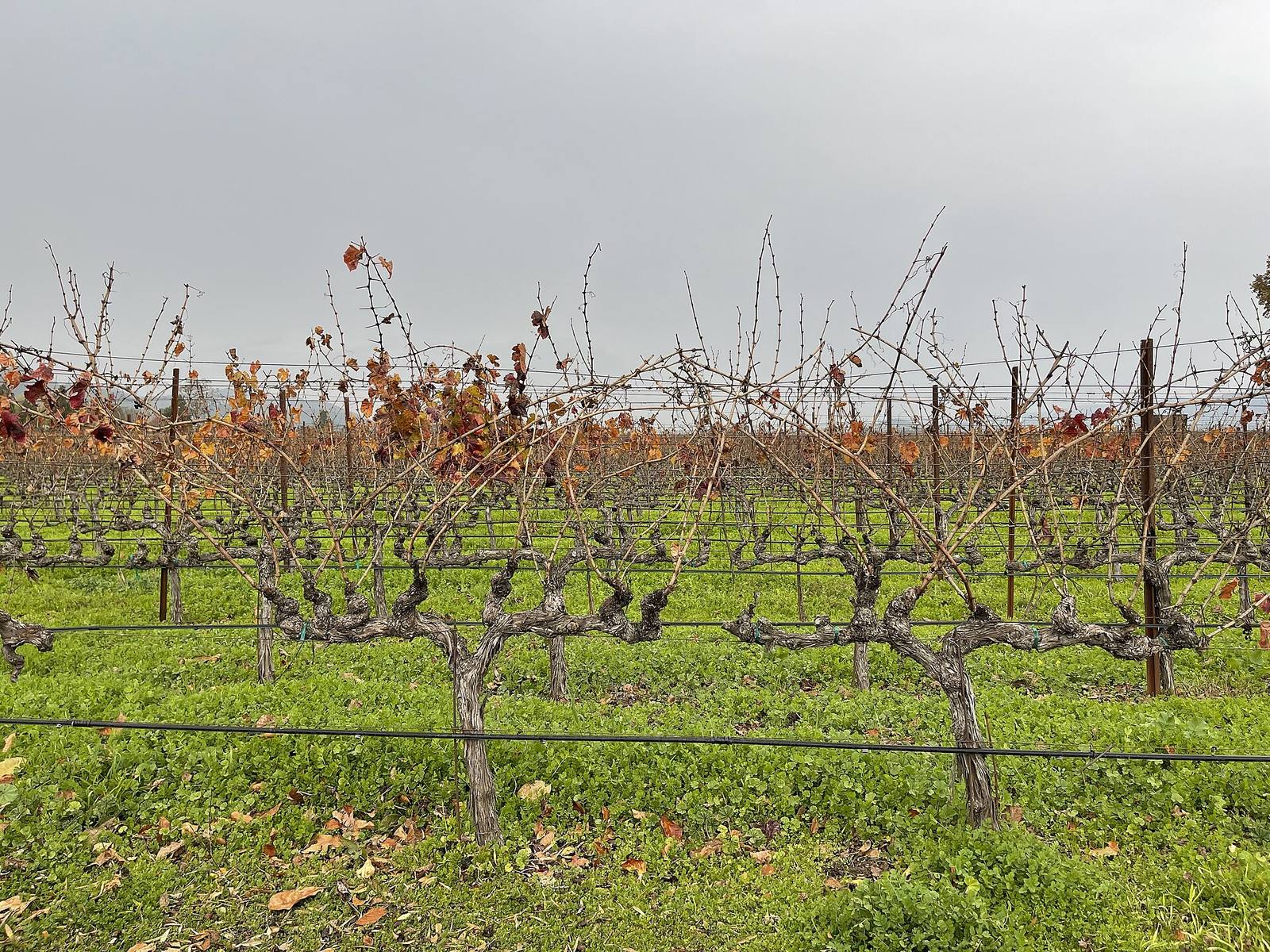
None of that is what the valley objects to. What rankles is the elegy: the suggestion that this is the end of the story. Napa Valley’s wine industry has been declared dead before. Phylloxera wiped out its vineyards in the 1890s. Prohibition shuttered its wineries. Recessions emptied its tasting rooms. The fires and earthquakes of recent years tested it again. Each time, the obituary was premature.
And the FT’s portrait, locals argue, left out the people who make the valley function: the farmworkers who pick the crop, the cellar crews, the tasting room staff and chefs whose livelihoods are the actual stakes of the downturn. A downturn in Napa is not an abstraction about luxury pricing. It is paychecks.
Napa Valley Features, the local publication that has tracked the contraction in its data for three years, describes a structural clearing, not a bad year: the region’s active winery license count, which climbed for a decade, peaked in June 2025 and has fallen since. The valley is not arguing that nothing is wrong. It is arguing that a hangover implies a morning after, and that Napa has survived every morning after for 175 years. The harvest, for now, goes on.
None to date. The Tribune corrects errors promptly and transparently. Read our corrections policy.