Napa County's farmworker housing program earns national award
A grower-funded partnership dating to 2002 runs three centers at 96 percent occupancy and now offers health care, English classes and legal services.
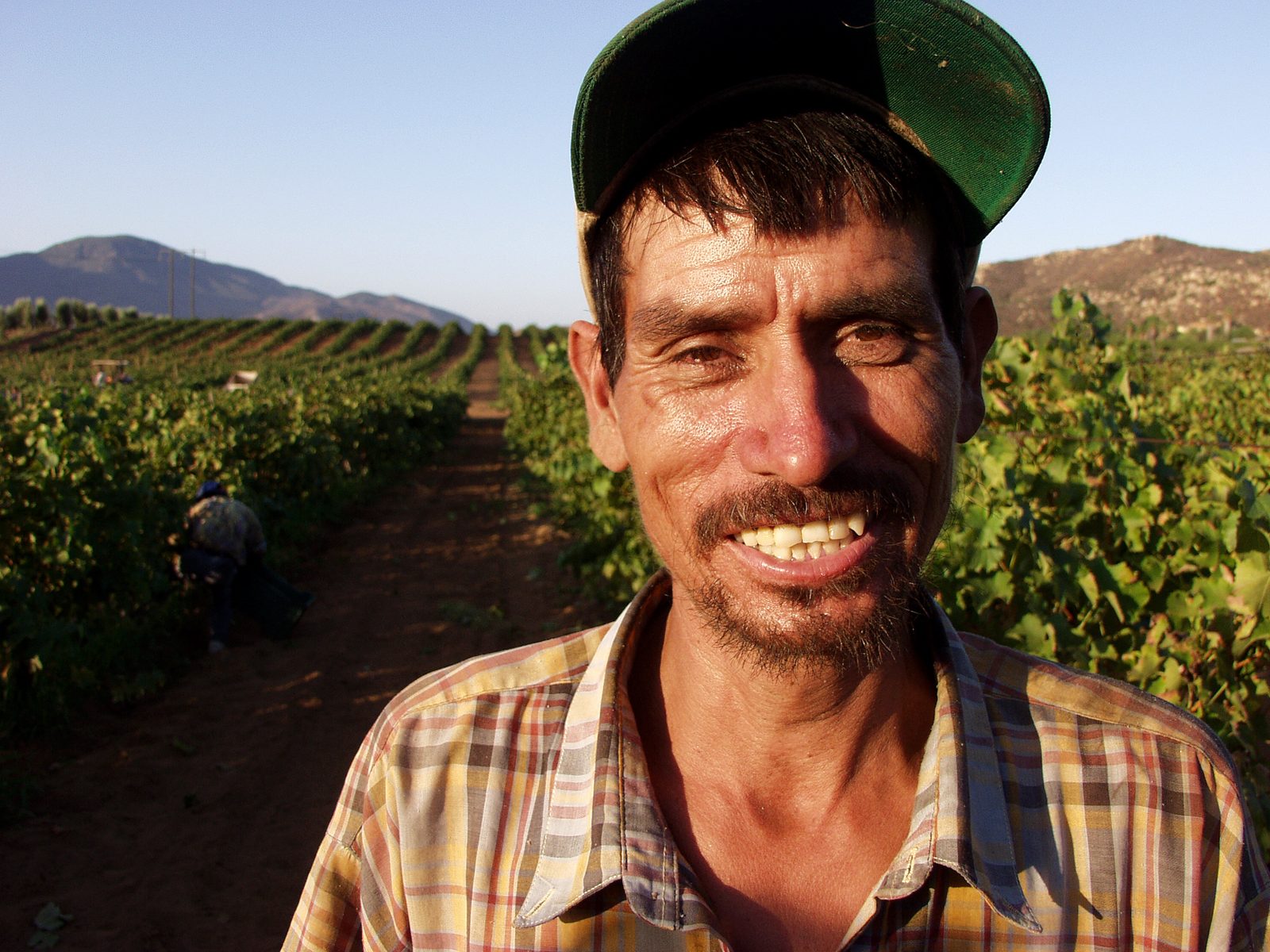
NAPA: Napa County's farmworker housing centers have received a 2026 National Association of Counties Achievement Award, national recognition for a grower-funded partnership that has housed vineyard workers for more than two decades.
The partnership dates to 2002, when growers agreed to a self-assessment to fund dedicated housing for the workers who pick Napa Valley's grapes. That assessment has generated more than $10 million over the life of the program, according to the county's announcement.
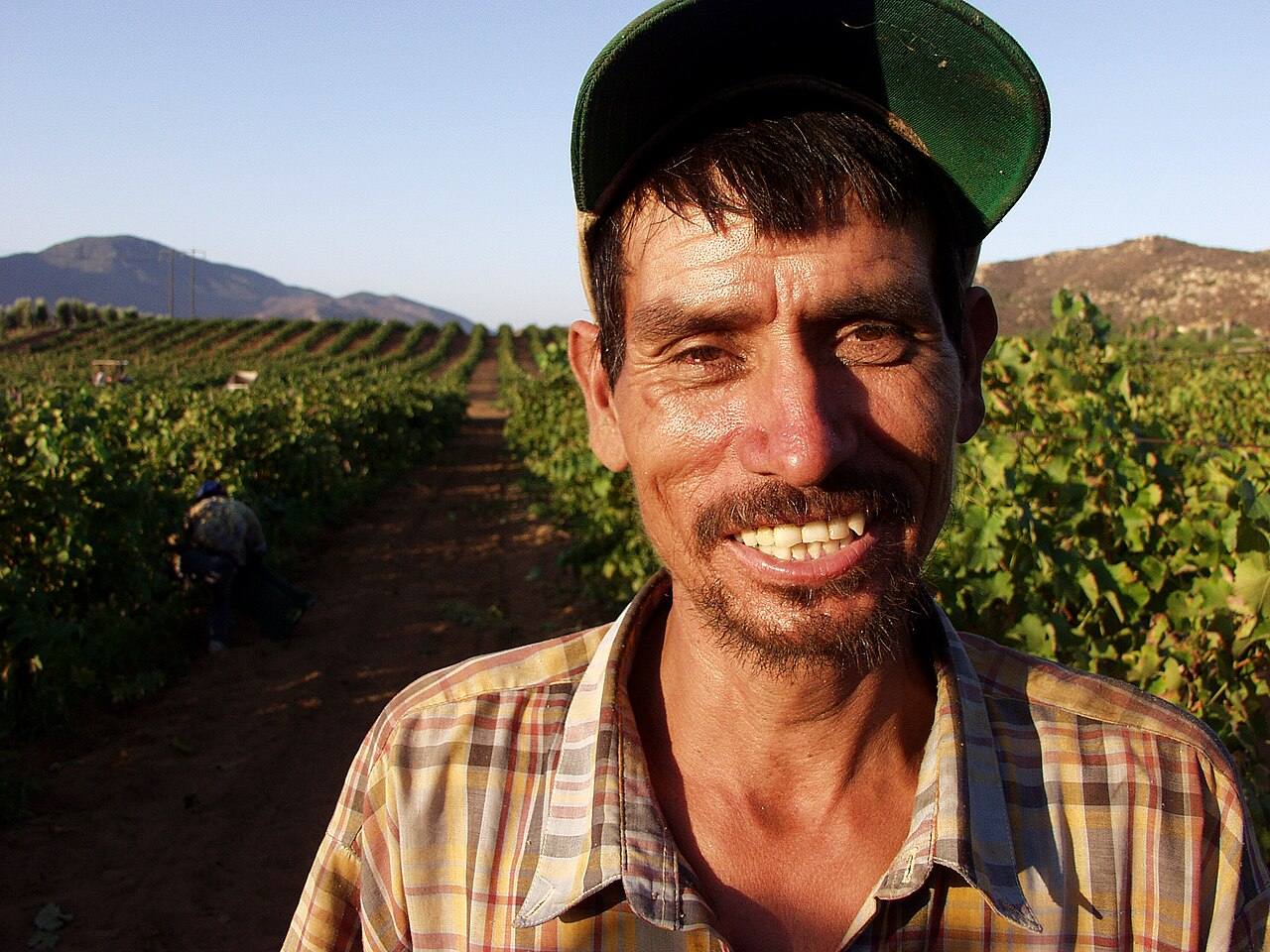
The funding model is unusual in local government. Instead of competing for general tax dollars, the growers tax themselves: the self-assessment flows directly into the housing program, year after year, regardless of the county's budget cycle. That dedicated revenue is a large part of why the centers have survived for more than two decades.
The National Association of Counties presents its Achievement Awards each year to recognize innovative county government programs, and Napa County's farmworker housing partnership is this year's local honoree.
The county operates three centers, in Napa, St. Helena and Calistoga, and average occupancy across the three runs 96 percent, a sign of how fully the program is used each season.
The centers have grown well beyond beds. In 2021 the program expanded its services to include health care, English as a second language classes, legal services and professional development for residents.
One of the centers, River Ranch in St. Helena, opened in 2003 on land donated by vintner Joseph Phelps and can house up to 60 workers, according to the county's September newsletter.
The county's announcement includes comments from Scott Wagner, the county's director of Housing and Community Services, on the program and its history.
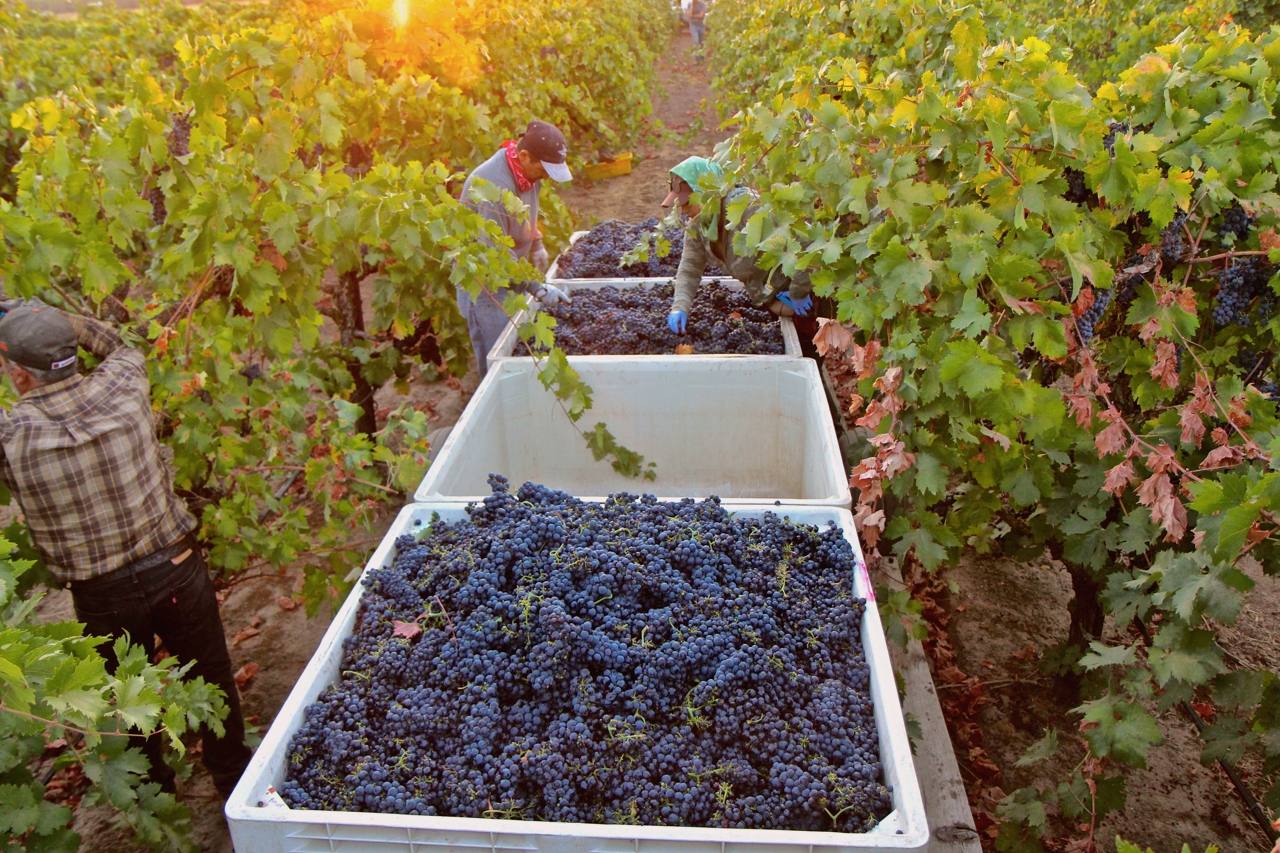
The timing of the recognition is fitting. Each fall, thousands of workers move through Napa Valley for harvest, and housing is the difference between a workforce that can stay for the season and one that cannot. At 96 percent occupancy, the centers are not a pilot project or a gesture. They are infrastructure, as essential to crush as the presses and the tanks.
The services added in 2021, health care, English classes, legal services and professional development, treat the centers as communities rather than dormitories. A bed gets a worker through the season; the rest helps a person get through the year.
In an industry built on seasonal labor, the centers answer a practical question that follows every harvest: where do the workers sleep. Napa County's answer, funded by the growers themselves and now recognized nationally, is that they sleep in real housing, with services attached.
None to date. The Tribune corrects errors promptly and transparently. Read our corrections policy.