The valley is working, and it shows
Howard Pierce on a harvest that started early, a winery closure that rattled custom-crush clients and the new cost of keeping the aquifer alive.
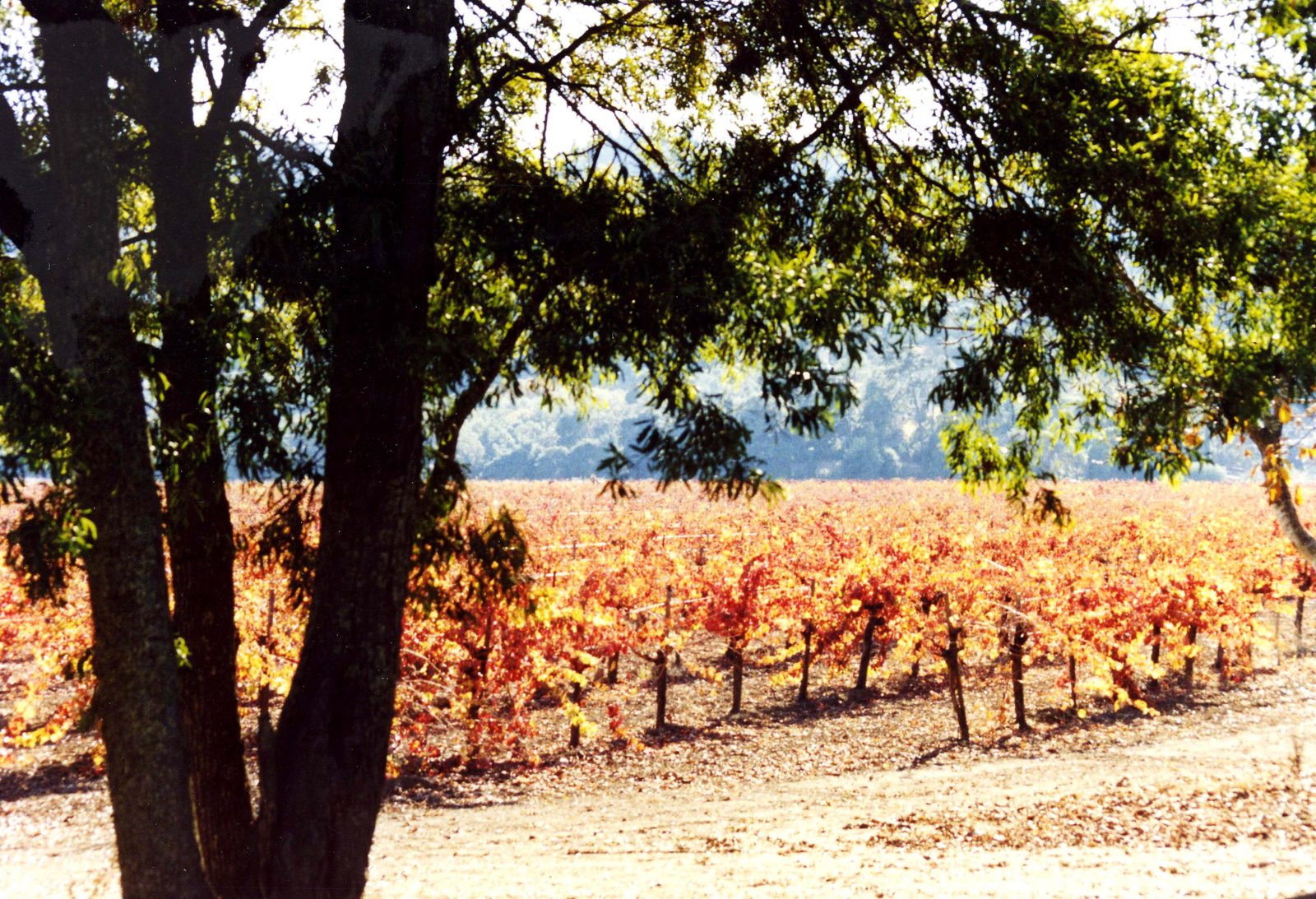
If you want to understand Napa Valley right now, skip the tasting rooms and read the public notices. They tell a clearer story than any brochure.
Start with the harvest, which arrived weeks early. Round Pond Estate opened the season on July 21 with six and a half tons of Chardonnay off its Rutherford estate, and three days later Chandon in Yountville called the earliest first pick in its 53-year history, bringing in 30 tons. The previous record was Aug. 3, 2021. Only two other vintages, 2014 and 2015, ever started in July at all.
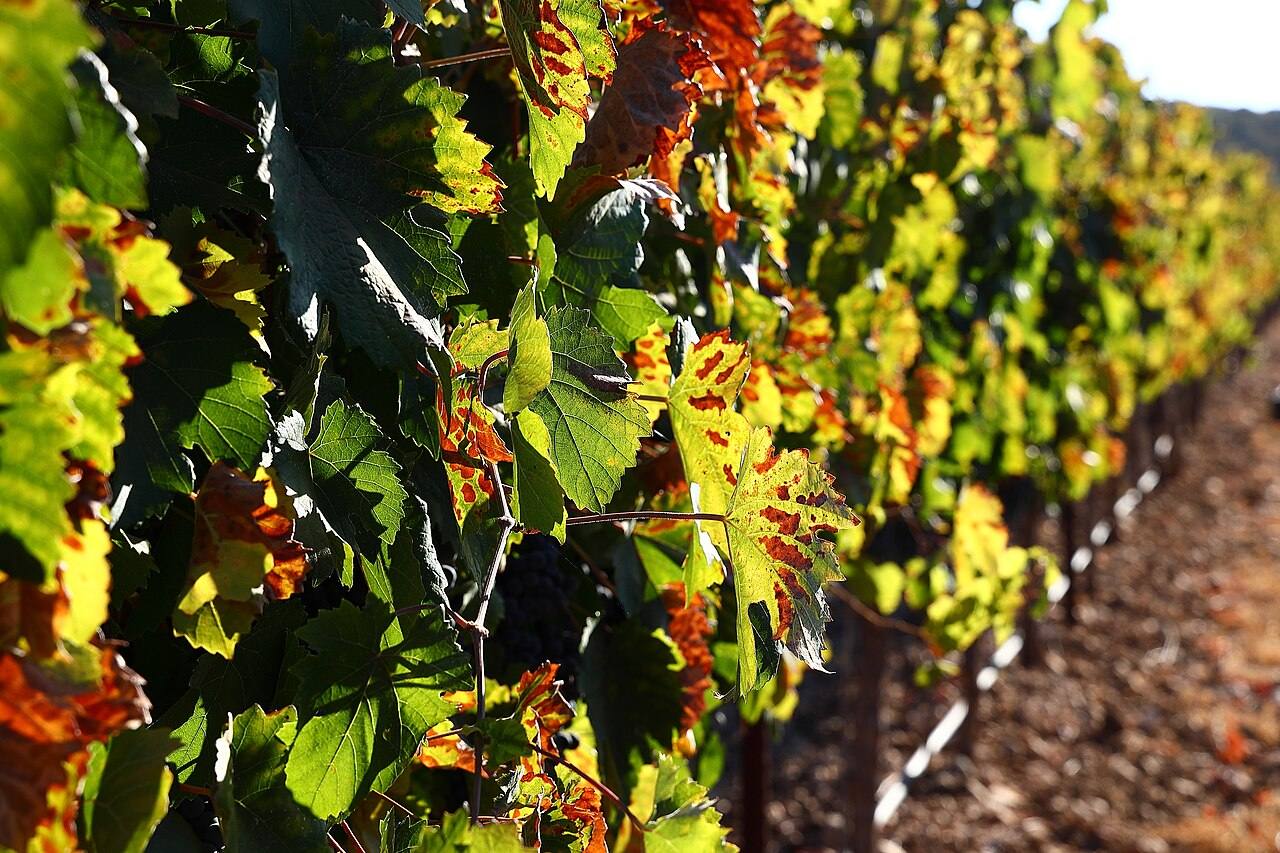
Then read about Legend Napa Valley, the custom-crush facility in American Canyon that told its clients in August to move their wine and equipment out. One winemaker delivered Vermentino on Aug. 18 and got the closure letter on Aug. 19. The landlord blamed insufficient contracted grape volume in a difficult wine-industry environment. That is a polite way of saying the business of making wine is brutal right now, and the small brands without their own wineries felt it first.
Then there is the water bill. Napa County's groundwater agency just set its first sustainability fees: a combined $44.44 per acre for growers, with the county trimming first-year rates about 55 percent below the earlier maximums and covering $750,000 from reserves. Nobody disputes that the aquifer needs managing. Everybody notices a new line item in a down market.
None of this is a crisis. It is something more ordinary and more important: a working valley adjusting to reality. Early harvests, winery closures and water fees are what an agricultural economy looks like when it stops pretending the good years last forever.
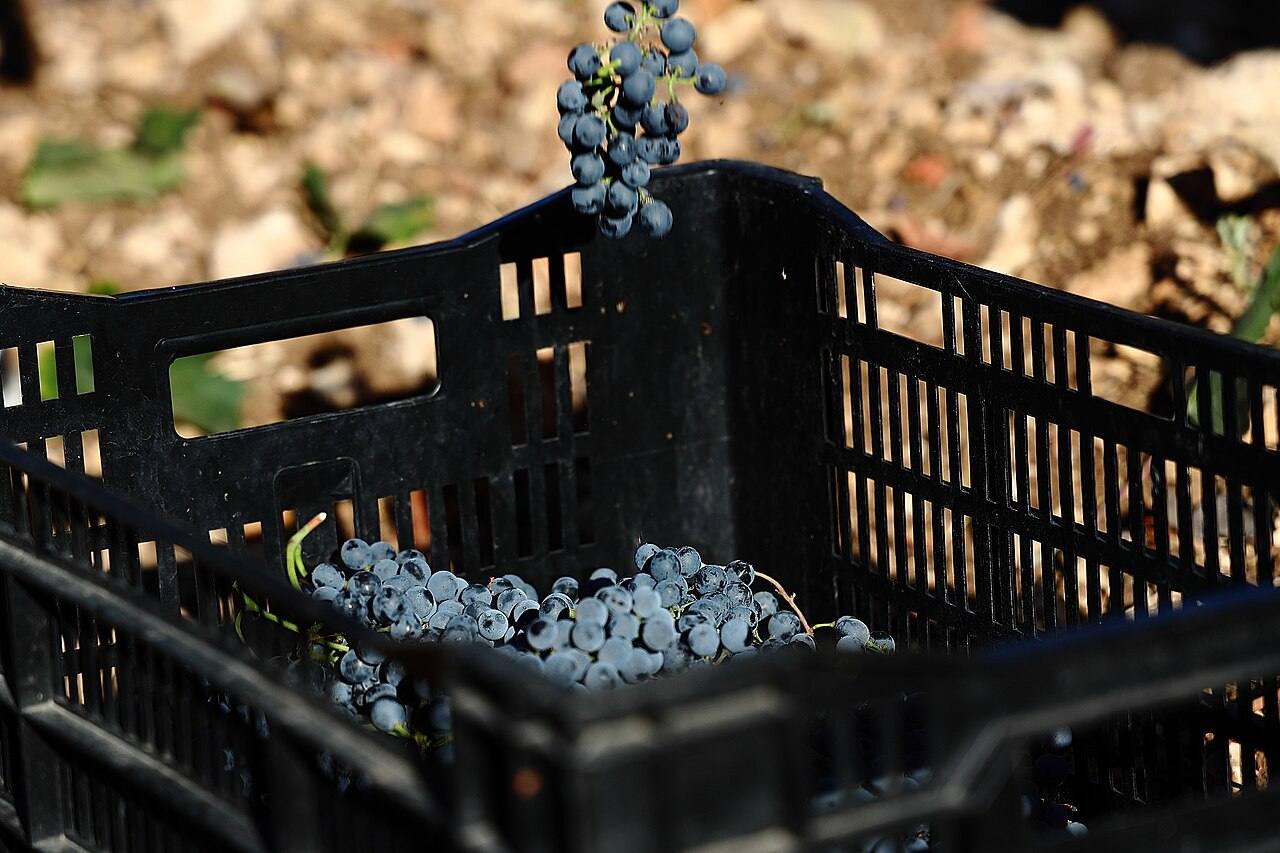
The postcard version of Napa Valley will survive all of this. The question is whether the working version gets the attention it deserves. Read the fee schedules. Go to the forums. Ask who benefits and who pays. That is what a local newspaper is for, and it is why this one exists.
None to date. The Tribune corrects errors promptly and transparently. Read our corrections policy.