Michelin Will Reveal Its First U.S. Wine Selection in Napa Valley Next April
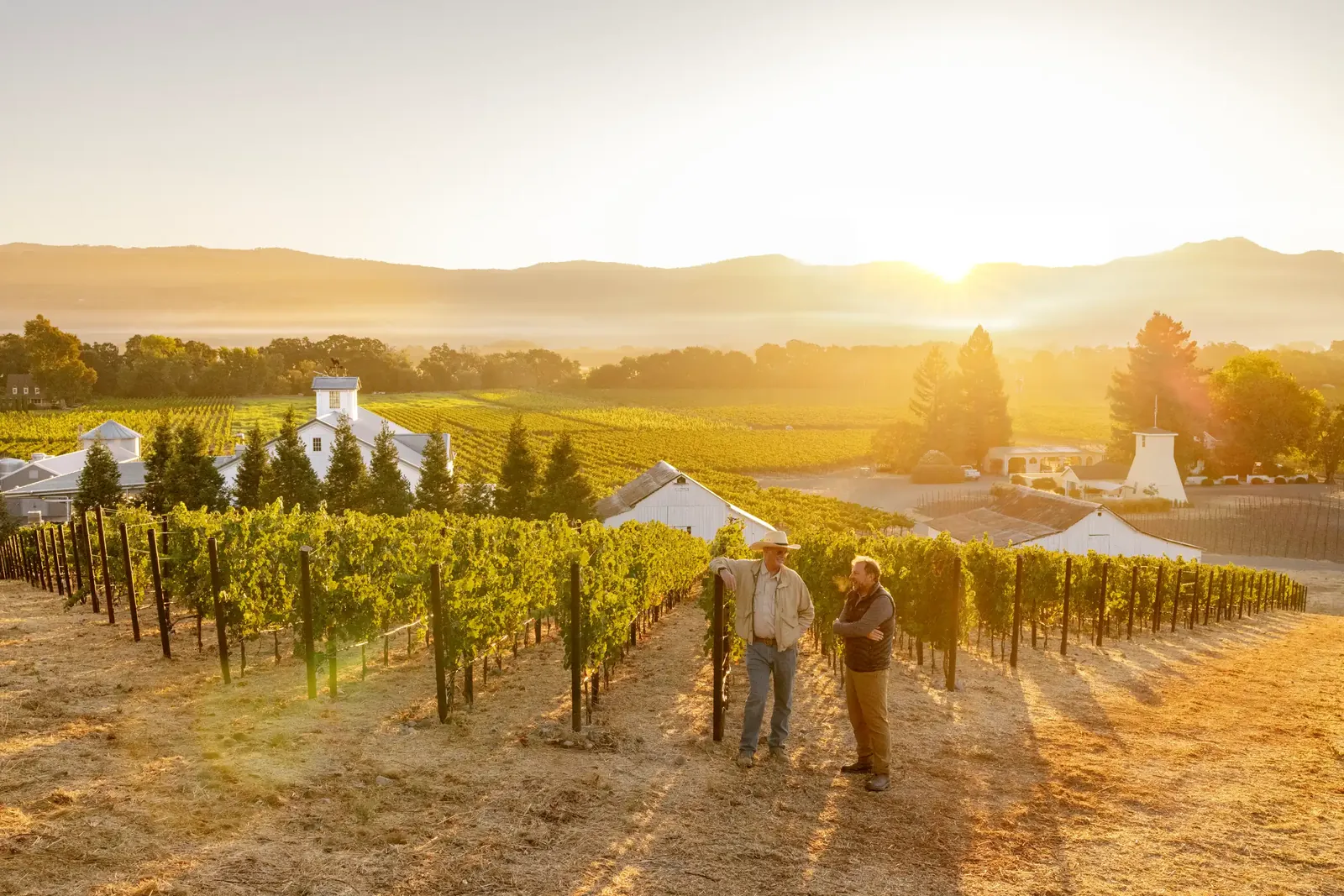
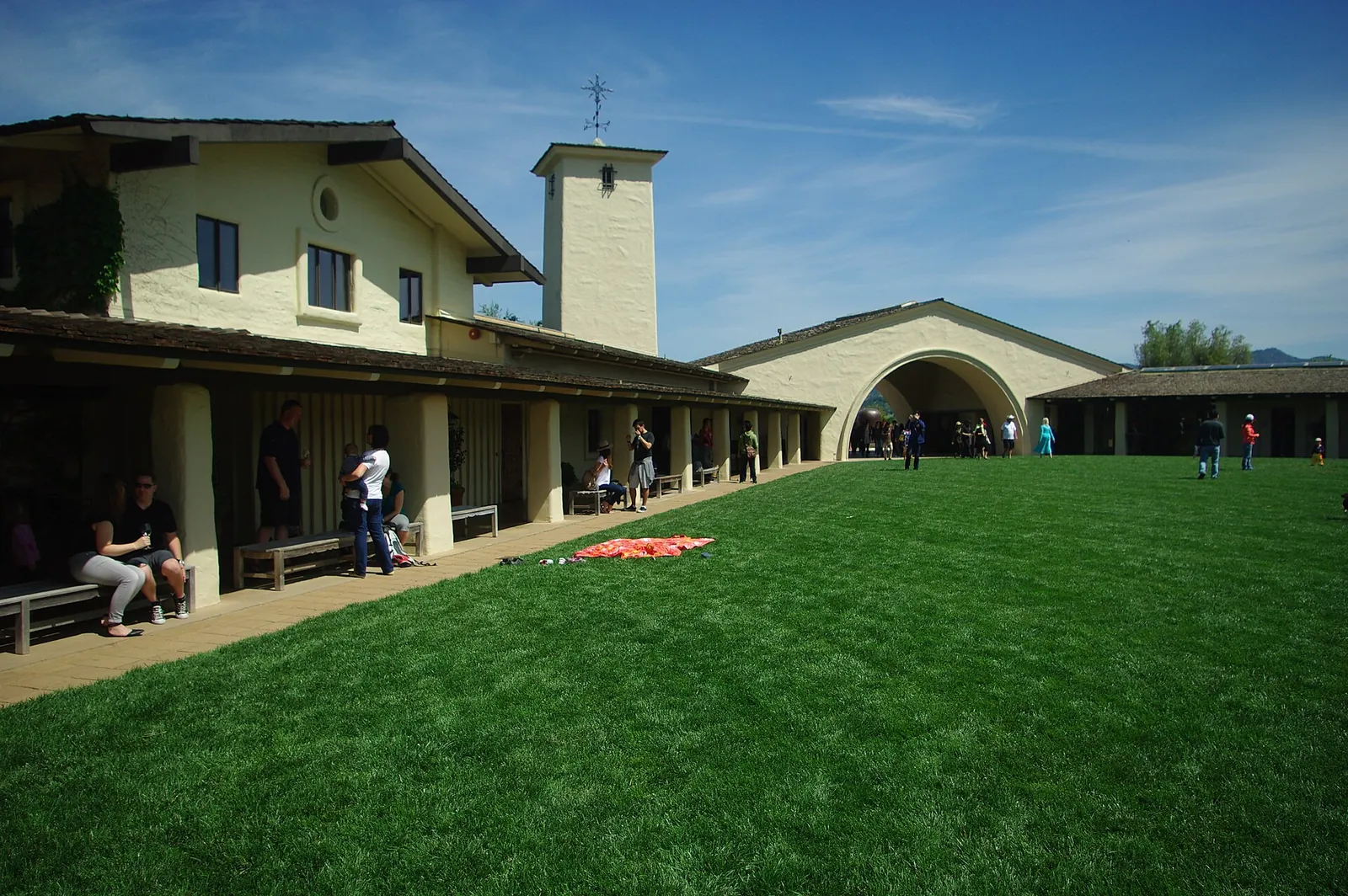
The MICHELIN Guide announced on Nov. 6 that Napa Valley will host the first MICHELIN grapes selection in the United States, and the first outside Europe, with the chosen estates to be named on April 23, 2027.
NAPA: The MICHELIN Guide will publish a wine selection for the United States for the first time, and it has chosen Napa Valley to start. In an announcement dated Nov. 6, the Guide said it will unveil its inaugural American selection of wine estates, dedicated to Napa Valley, on April 23, 2027. The selection will also be the first under the Guide’s grapes distinction to appear outside Europe.
The distinction, called MICHELIN grapes, is the Guide’s benchmark for wine estates. It is awarded at three levels, one grape, two grapes and three grapes, with a further group of Recommended estates below them, and no estate is named in the announcement. The first Napa Valley names arrive with the April reveal.
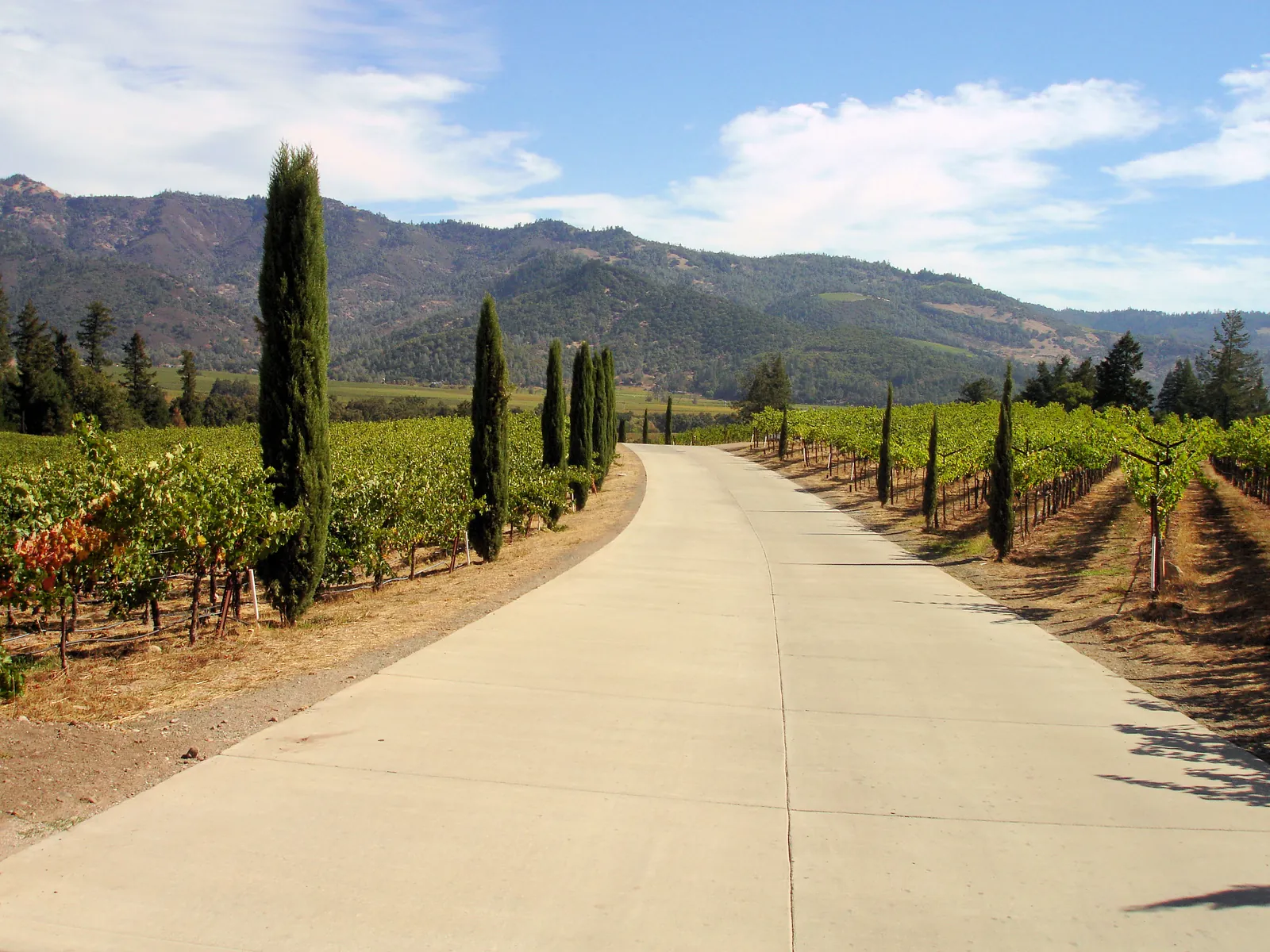
Napa Valley holds an important place in the world of modern wine. With its rich winemaking heritage and pursuit of excellence, the region has established its reputation by producing high-quality wines deeply rooted in their terroir.Gwendal Poullennec, International Director of the MICHELIN Guide, in the Nov. 6 announcement
How the estates will be judged
Estates are assessed independently by the Guide’s specialized inspectors under five criteria, the same in every region: quality of agronomy, technical mastery, identity, balance, and consistency. Three grapes mark producers the Guide classes as exceptional, the estates it says a wine lover can rely on in any vintage. Two grapes mark producers of excellence, noted for quality and consistency in their terroir. One grape marks high quality producers whose wines show character and style, at their best in the strongest vintages. Recommended estates are the trusted producers below those tiers, chosen for consistent, well made wines.
The first Napa Valley names arrive with the April reveal.
Why Napa Valley
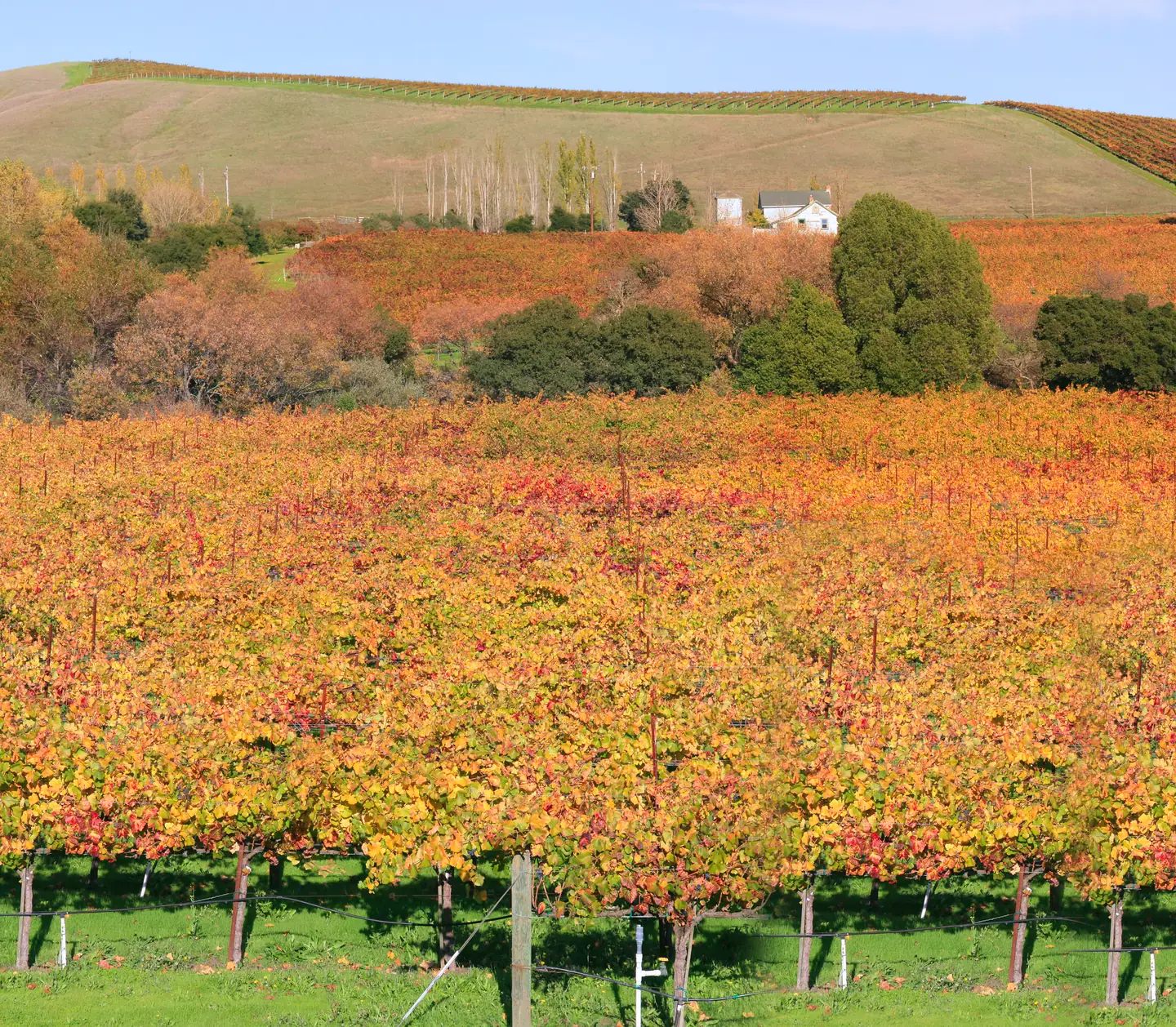
The Guide points first to geography: a valley near the Pacific Coast with a Mediterranean climate, warm and dry in summer and mild in winter. It is an official American Viticultural Area with several microclimates, running from a warm north of hot daytime temperatures to a cooler south shaped by morning fog and marine breezes, across a region the Guide measures at 30 miles long and a few miles wide.
It points second to history. The Guide recalls the Judgment of Paris, the blind tasting held in the French capital in May 1976, at which leading Napa Valley wines finished ahead of prestigious French reds and whites, and the world standing the valley has built since. Its signature grapes, in the Guide’s account, are cabernet sauvignon, the variety planted across most of the valley’s vineyard land, together with chardonnay, merlot and sauvignon blanc.
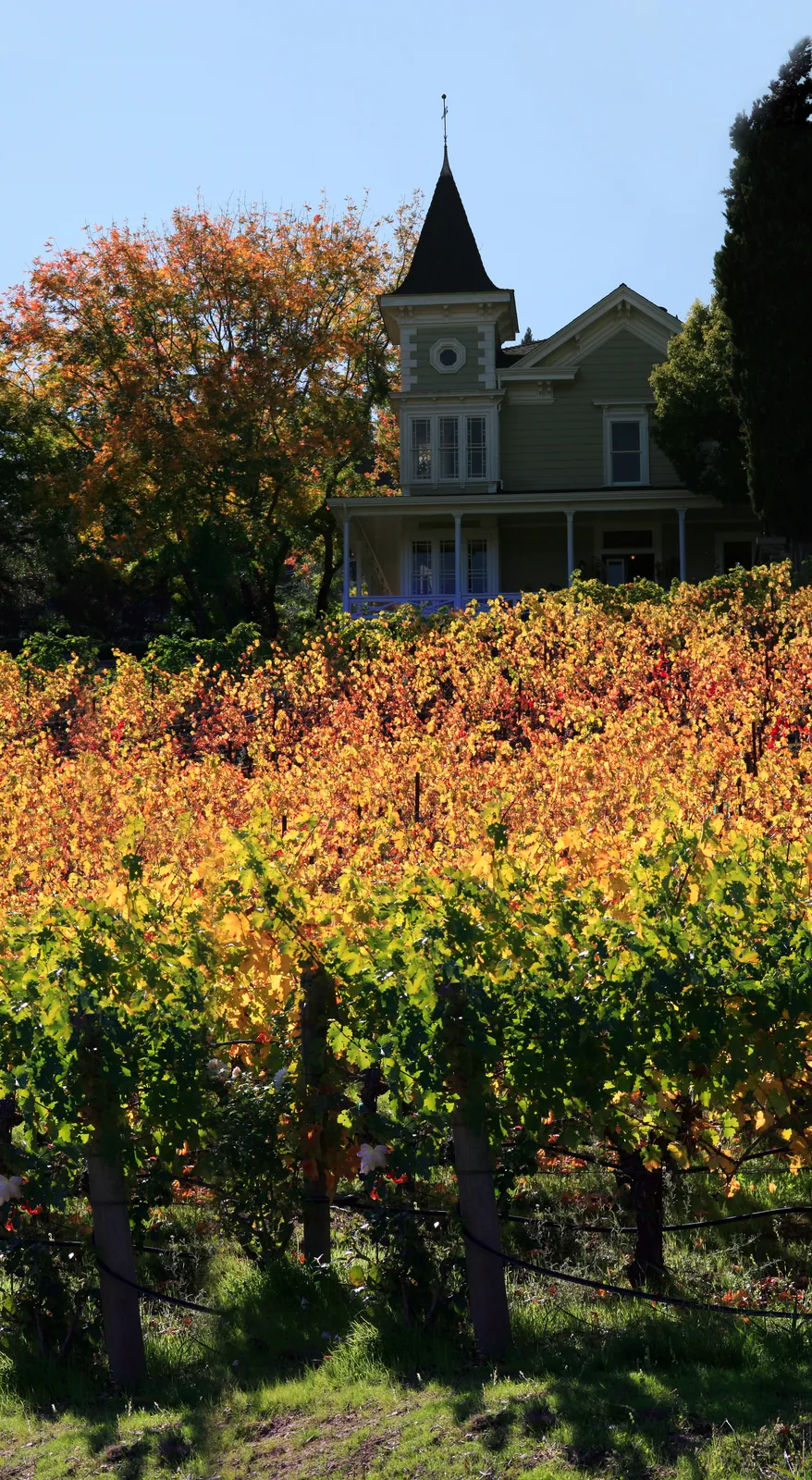
For Napa Valley producers, the announcement sets a date rather than a verdict. Inspectors will apply a restaurant guide’s discipline to the vineyard and the cellar: how the vines are farmed, how the wine is made, whether it speaks of its place, and whether it holds its standard from one vintage to the next. Which estates meet that standard becomes public on April 23, 2027.
None to date. The Tribune corrects errors promptly and transparently. Read our corrections policy.