Napa Valley’s 2026 Vintage Started Earlier Than Any in Recent Memory, and Finished That Way Too
In their joint vintage account published Tuesday, Napa Valley Grapegrowers and Napa Valley Vintners describe a season that began with an early budbreak, lost fruit to a wet April flowering, sent pickers out in mid-July, and still left winemakers praising the whites and the structure of the reds.
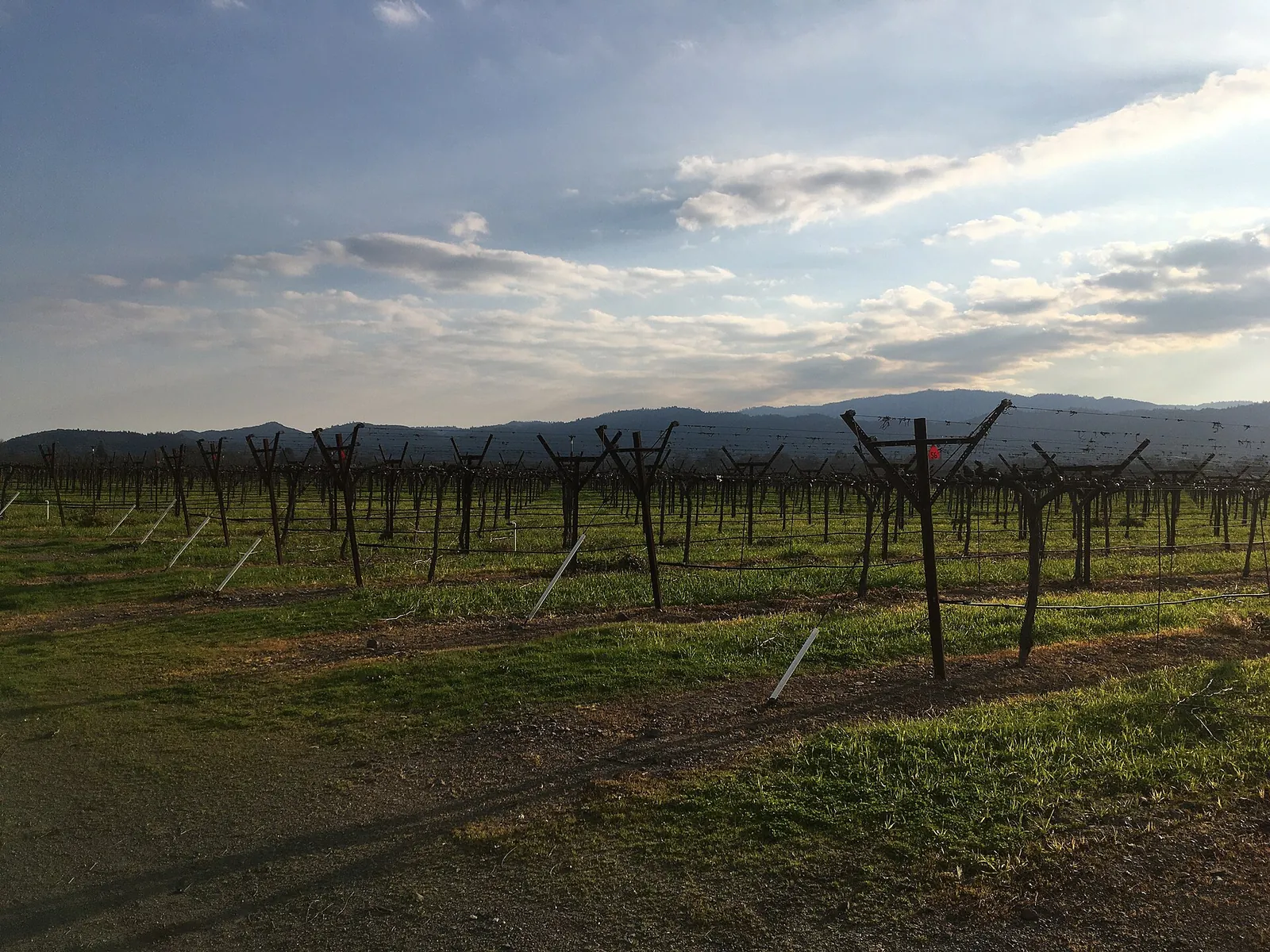
ST. HELENA: Napa Valley’s 2026 vintage will be remembered first for its calendar. In a joint account published on Tuesday, Nov. 10, Napa Valley Grapegrowers and Napa Valley Vintners call the season the earliest start and finish in recent memory, a vintage that moved weeks ahead of the usual schedule at both ends and still produced fruit the valley’s winemakers are eager to talk about.
To tell that story in detail, the two organizations convened a panel drawn from the valley’s wineries and vineyards, the 2026 Vintage Briefing, chaired by Samantha Cole-Johnson, senior editor US for JancisRobinson.com. Their published account of that briefing is a season told in the order the vines lived it: an early beginning, a disrupted flowering, a July harvest, and early tastings that have surprised the people who made them.
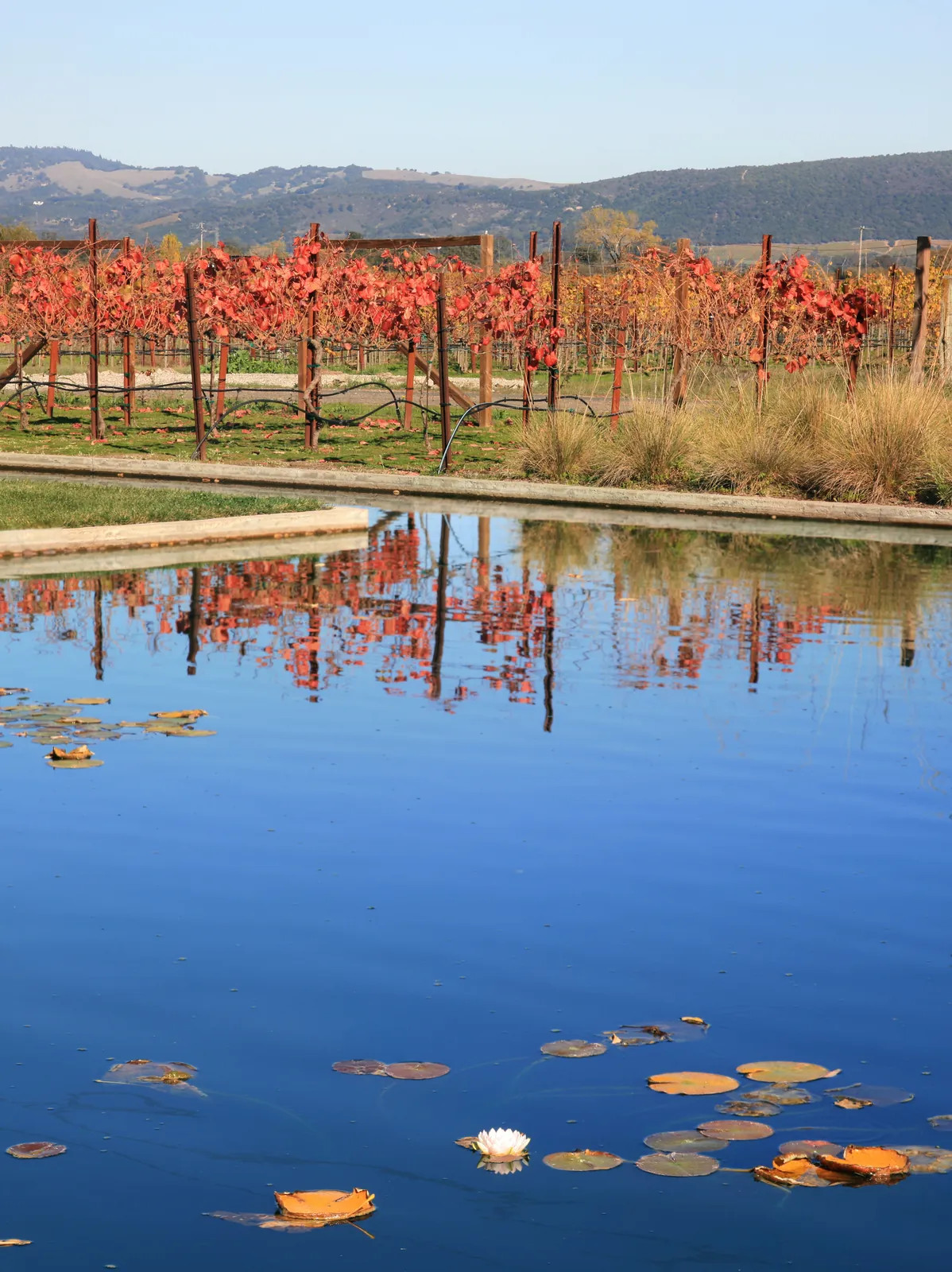
A warm March set the pace
A mild winter and a warm March brought on an early budbreak, and from that point the season never fell back to a normal timetable. Franci Dewyer of The Duckhorn Portfolio, where she serves as vice president for North Coast winegrowing, described what an early start means for every decision that follows it.
The earliest start and finish in recent memory, and a crop that was light in the vineyard and strong in the glass.
Once the grapevines start growing, the engine’s started and the train has left the station.Franci Dewyer of The Duckhorn Portfolio, in the Nov. 10 vintage account
April then took fruit away. The month turned cooler and wetter and disrupted flowering, which governs how much fruit sets on the vine. Sauvignon Blanc was particularly light, the account says, while vineyards that bloomed later were not as heavily affected. The result was the second fact of the vintage alongside its earliness: a light crop, which itself helped pull the harvest forward.
Picking in July
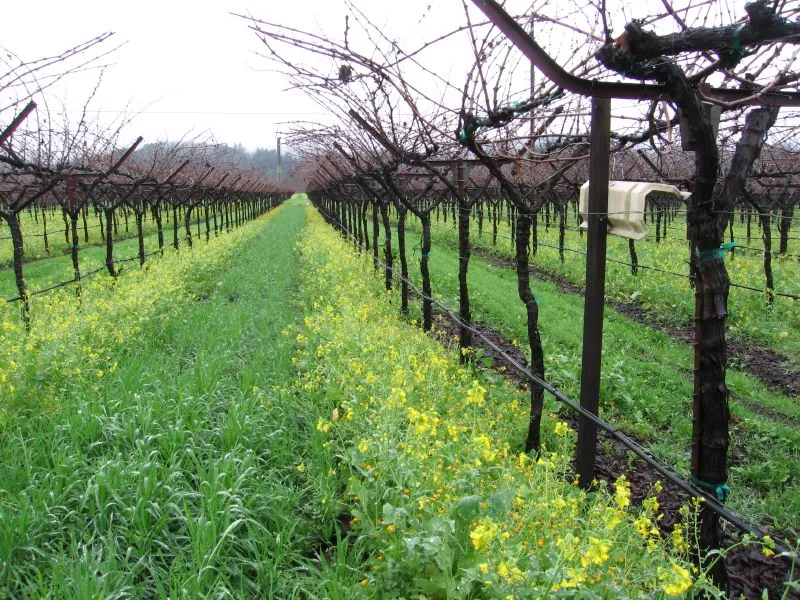
White grapes started coming in during mid-July, a full three to four weeks early. Wineries adjusted staffing and bottling plans to be ready sooner, and in some cases vintners sought out more tonnage because their own crop had come in light. Melissa Paris, the winemaker at Alpha Omega, told the panel that growers and wineries leaned on each other to get the short crop in.
This year, there was real camaraderie and a sense that we needed to do the right thing and help each other out.Melissa Paris, winemaker at Alpha Omega, in the Nov. 10 vintage account
After the whites were in, some wineries paused and waited for the reds, while others picked without a break. Heat in early September sped the season up again, and cooler weather afterward gave picking teams more room to choose their moment. Paris said the year rewarded growers who knew each block closely and timed every pick with precision.
What the cellars are tasting
The early verdict, from the first rounds of tasting, is that the whites carry the vintage. Ted Henry, director of winegrowing at Groth Vineyards & Winery, found lot after lot of Sauvignon Blanc, Chardonnay and Sémillon showing beautifully.
I would say the whites are probably some of the best that I’ve seen.Ted Henry, director of winegrowing at Groth Vineyards & Winery, in the Nov. 10 vintage account
The reds are drawing a different kind of praise, for structure rather than size. Nathalie Buckland, who directs viticulture and vineyard operations at Joseph Phelps Vineyards, sees deep color and soft, plush tannins in the early tastings, and sums the vintage up as quality without quantity. Paris, tasting the Alpha Omega reds, finds vivid fruit and real depth, with a freshness that keeps the wines from feeling heavy.
None of the panelists would file 2026 under a familiar year. Henry’s judgment, shared by Paris in the account, is that the vintage resists comparison altogether.
I think this is such a unique vintage that it’s hard to put a ‘similar to’ kind of tag on it.Ted Henry, director of winegrowing at Groth Vineyards & Winery, in the Nov. 10 vintage account
What that means in practical terms will take time to settle. A light crop picked weeks early leaves wineries with less wine to sell from a year their own winemakers rate highly, and the first full measure of the vintage will not arrive until the wines now in barrel and tank are finished and released. For this week, the valley’s own account of its harvest is enough: the earliest season in recent memory is in, and the people who farmed it think it is a good one.
None to date. The Tribune corrects errors promptly and transparently. Read our corrections policy.