How Napa city government works
Council-manager, boards and commissions, agendas and public comment: a plain-language map of City Hall.
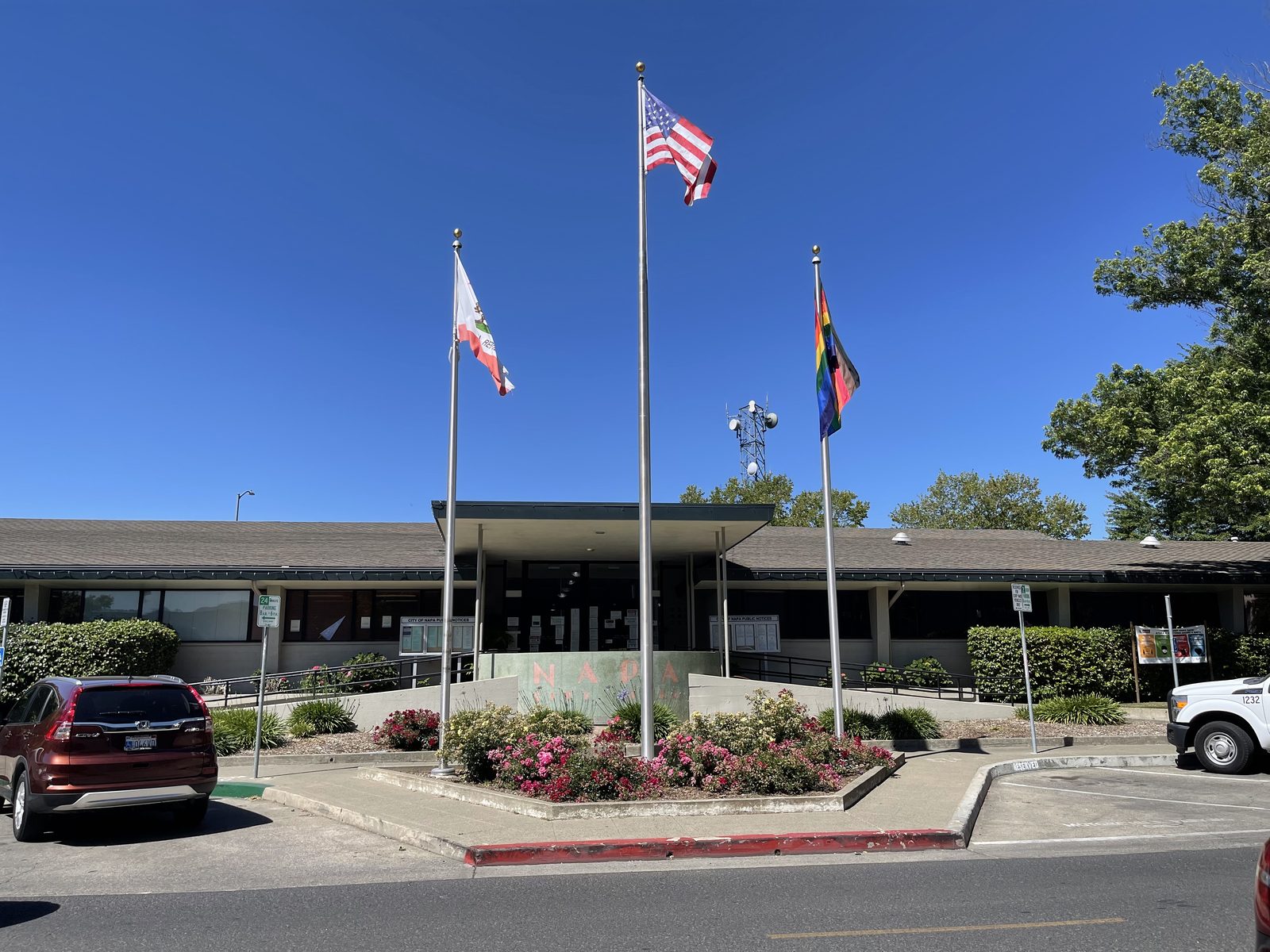
Napa runs on a council-manager system: an elected City Council sets policy, and a professional city manager runs the city's day to day operations. The arrangement is common in California cities, and in Napa it is the whole of the local government story: policy at the dais, administration behind the counter.
The City Council
The City Council is the city's legislative body. Council members are elected by district, and the council hires the city manager, adopts the budget, and votes on land use, public safety, and the services that touch daily life. Council meetings follow published agendas, and regular meetings set aside time for public comment.
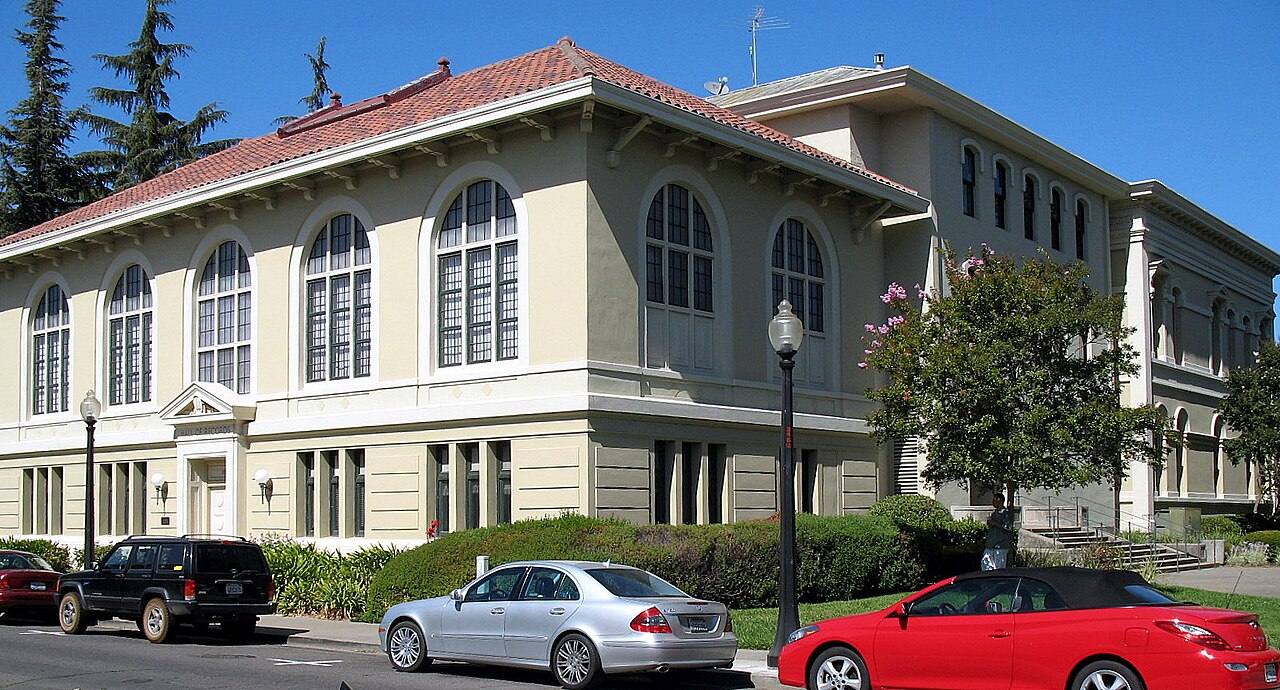
Agendas, staff reports, and meeting videos are posted through the city's online Agenda Center, so you can read the same packet the council reads before a vote. Comments can be made in person at the meeting or submitted in writing in advance.
Boards and commissions
Much of the city's detailed work happens in boards and commissions, which are staffed by residents and advise the council on planning, parks, design review, and more. Serving on one is the most direct way a resident can shape policy, and vacancies are posted by the city.
Oversight committees work the same way. Voters approved Measure G in 2024, a one-cent sales tax projected to raise $22 million a year for the general fund. The measure includes independent audits and a citizen oversight committee, and the council receives regular status updates on Measure G projects and services.
The county layer
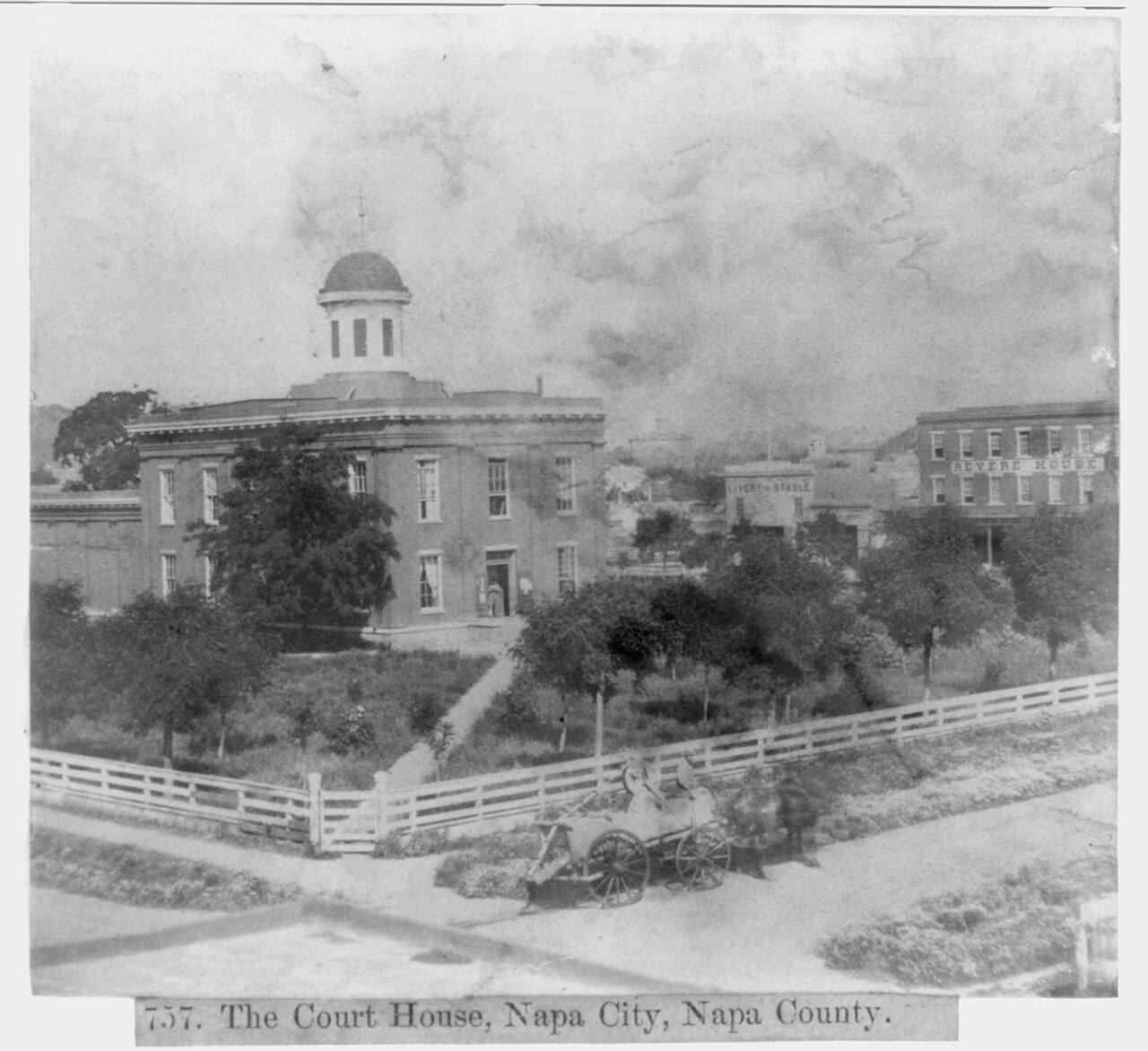
City government is only one layer. The Napa County Board of Supervisors governs the unincorporated county and countywide services, and the county Planning Commission reviews land use outside city limits. Both post agendas online through the county's legislative portal.
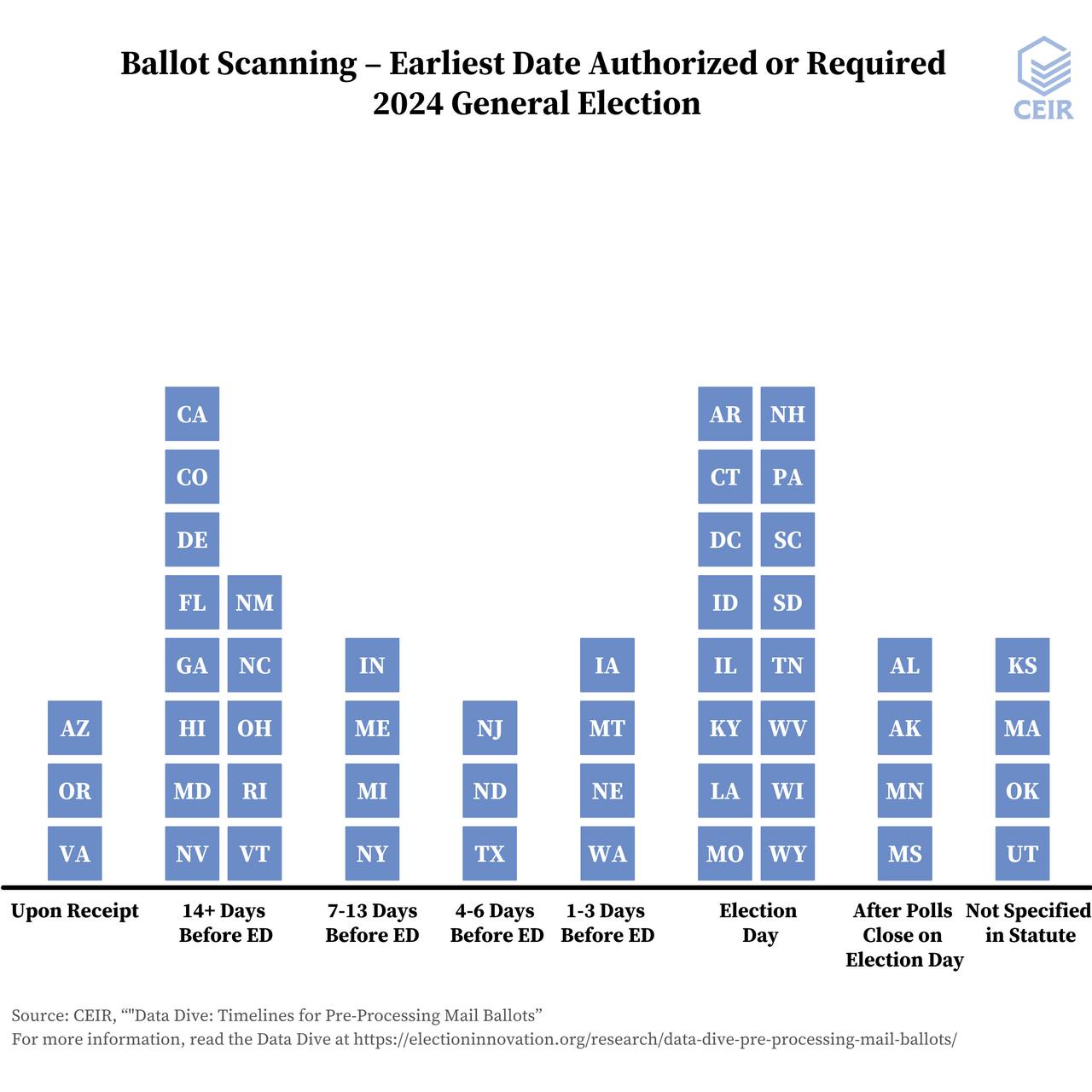
Napa County runs its elections by mail, with ballot drop boxes and vote centers for those who prefer to vote in person. The county's election observation program lets residents watch ballots being processed, which is open government in its most literal form.
How to be heard
Read the agenda before the meeting. Show up for public comment, or write in when you cannot attend. Apply for a board or commission when a seat opens. Local government in Napa is small enough that a single resident, prepared and on time, can change the outcome of a vote.
None to date. The Tribune corrects errors promptly and transparently. Read our corrections policy.