A newcomer's guide to Napa
Moving to Napa, or just settling in: the essentials on the city, its services, and how to get around.
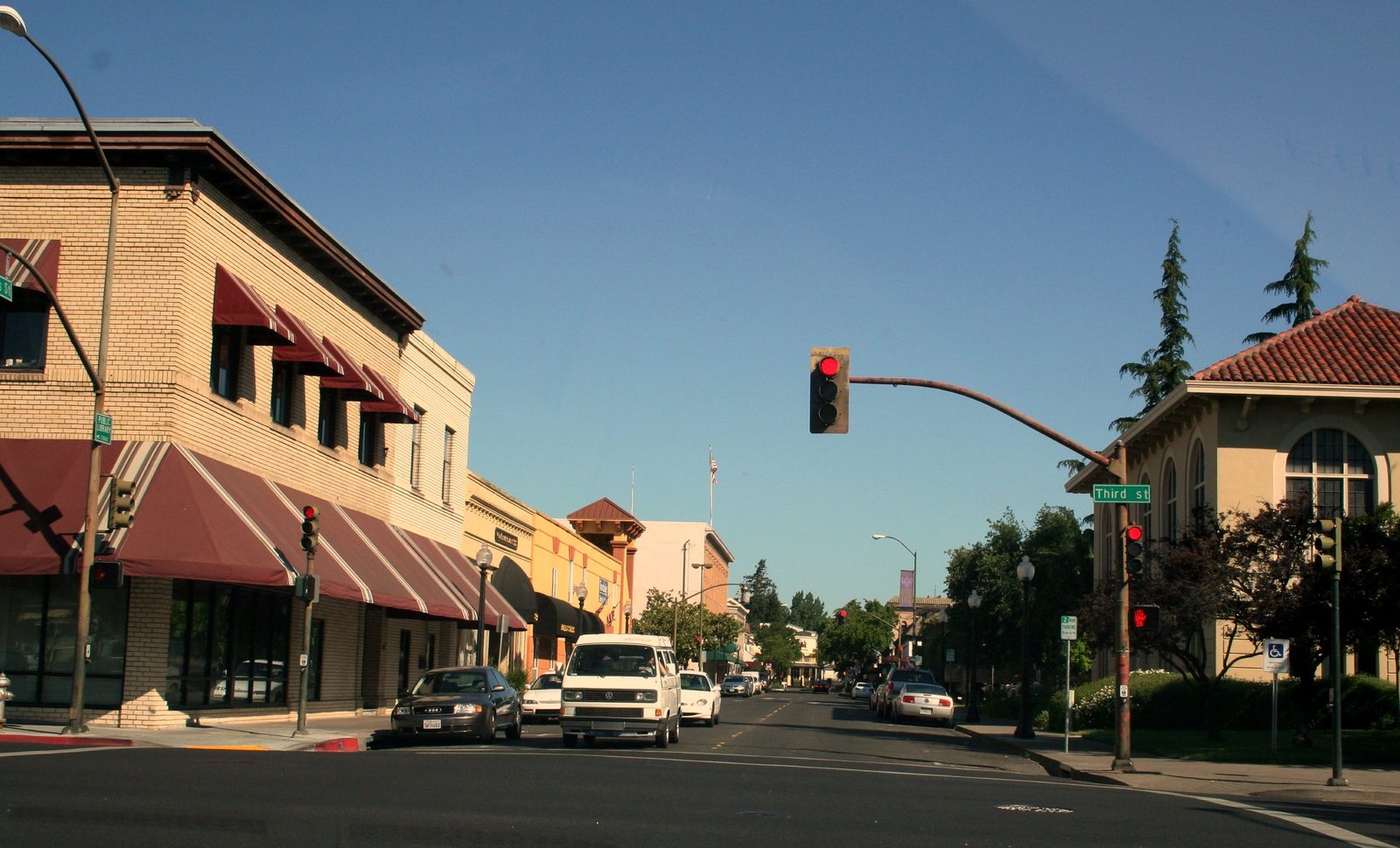
Napa is a city of about 77,000 people at the south end of the valley that shares its name. Most of its growth over the last century came from agriculture and wine, but the city itself reads like a small town with a real Main Street, a river running through it, and government offices you can walk into.
This guide collects the essentials for new arrivals: where the city services are, how to get around, how the city government works in plain language, and where to go first when the boxes are unpacked.
Get your bearings
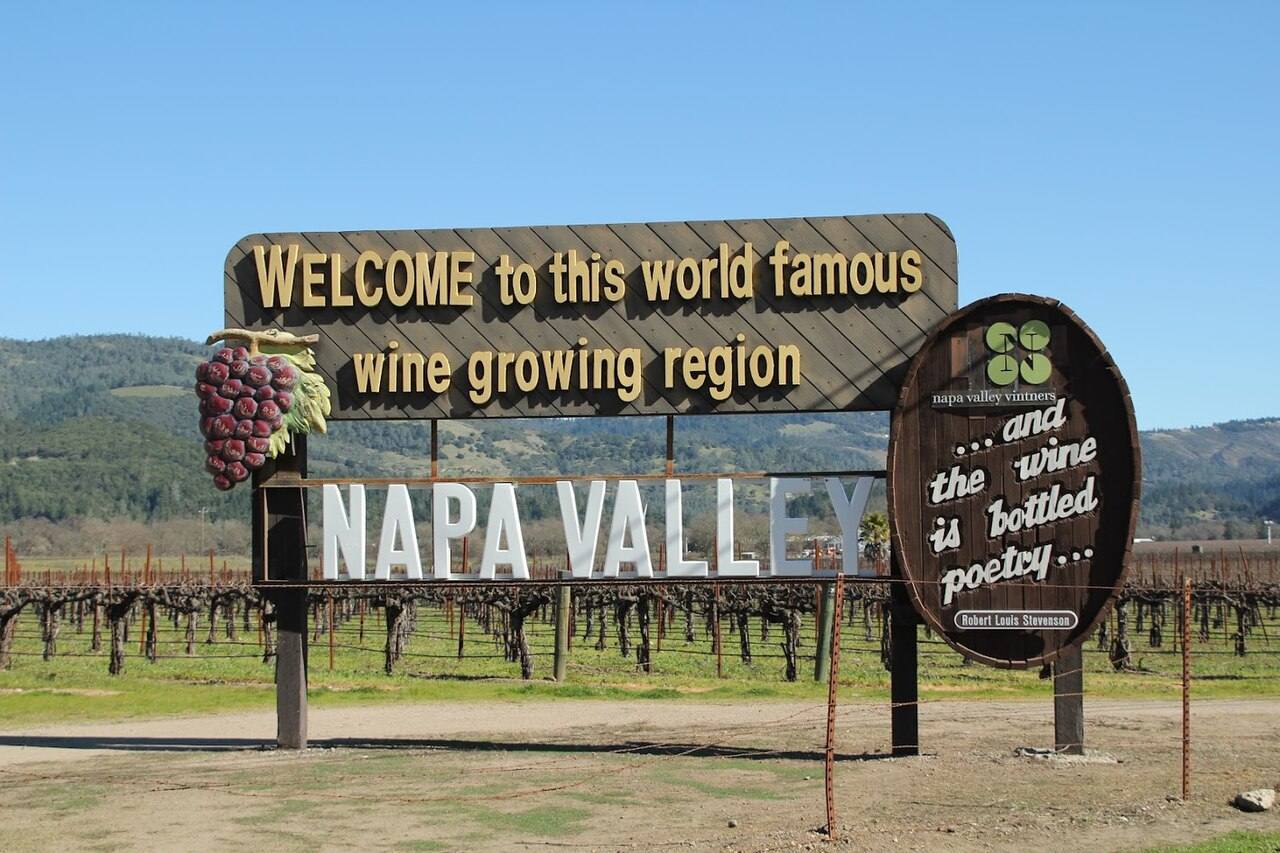
Napa sits at the southern end of Napa Valley, with the wine country towns of Yountville, Oakville, Rutherford, St. Helena, and Calistoga stretching north along Highway 29 and the Silverado Trail. The Napa River runs through downtown, and the Oxbow District, anchored by Oxbow Public Market, sits just east of the river.
Downtown is compact and walkable: Main Street, the historic Napa Mill complex, and the 1879 Napa Valley Opera House are all within a few blocks of each other. The Napa Valley Wine Train departs from downtown for its runs to St. Helena, which makes the station area a useful landmark.
City services to set up first
The Napa County Library's Main Branch stands at 580 Coombs Street in downtown Napa, and it has served the public for more than a century. A library card is free, and the branches run events year round.
Public transit in the county is run by VINE Transit, which operates local bus routes within the City of Napa and regional and express routes beyond it. The regional system connects to the Vallejo ferry terminal, Bay Area Rapid Transit, and Amtrak, so a commute out of the valley does not have to mean driving.
For driving downtown, the city operates parking garages, public lots, and on-street spaces, with an interactive parking map on the city's website. If you work downtown, check the garage and lot options before settling into street parking.
How the city runs
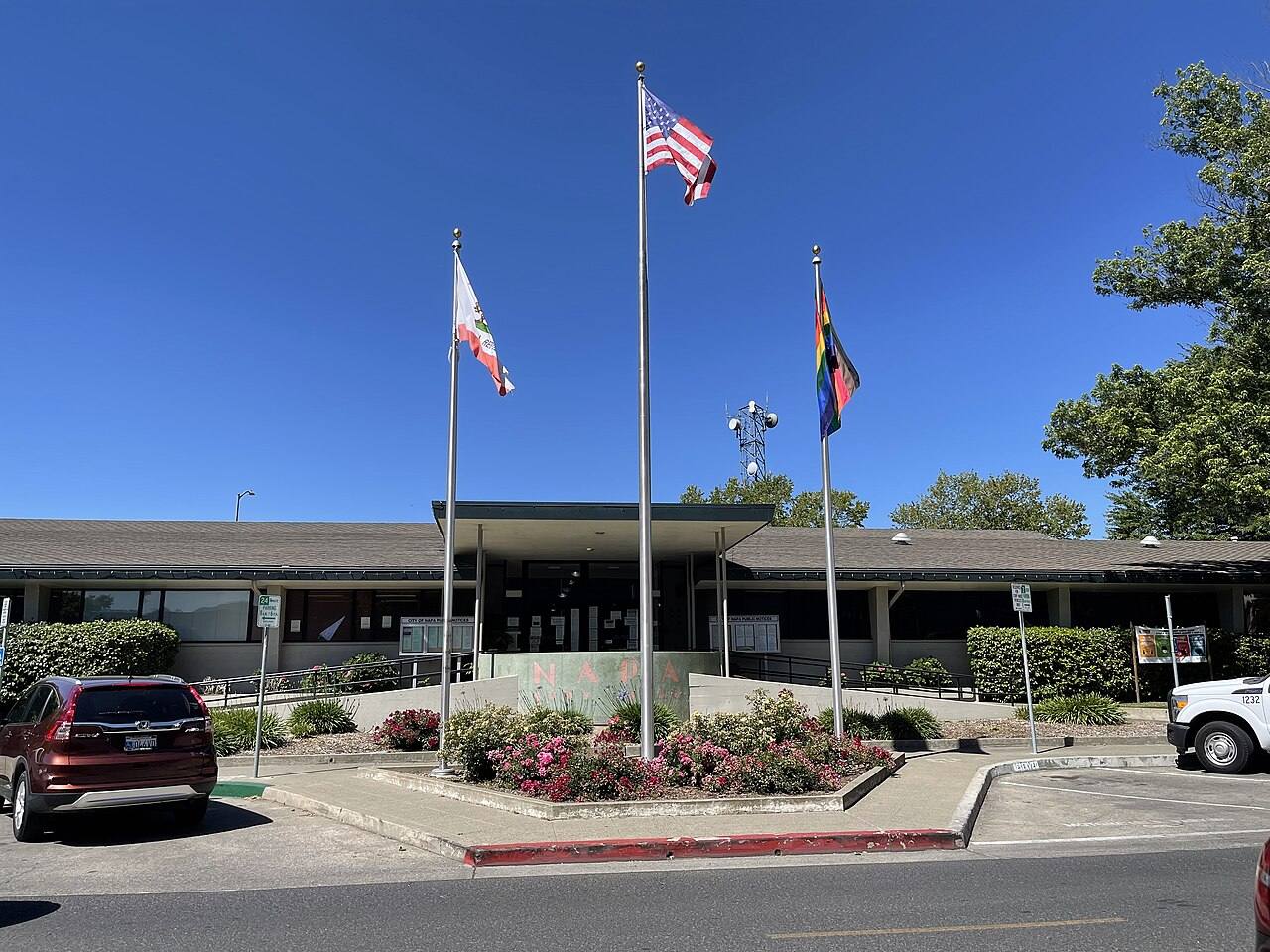
Napa uses a council-manager form of government: an elected City Council sets policy and hires a professional city manager to run day to day operations. Council agendas and meeting information are posted through the city's online Agenda Center, and regular meetings include time for public comment.
Residents can also apply to serve on city boards and commissions, which advise the council on planning, parks, and more. Meeting agendas are posted in advance, and comments can be submitted in writing when you cannot attend in person.
Where to go first
Start downtown on foot. Walk Main Street, cross the river at First Street, and work east into the Oxbow District for the public market. That loop passes the Opera House, the Mill, and most of the restaurants that make downtown work as a neighborhood, not just a destination.
For the wine context that surrounds the city, read our companion guide to Napa Valley's 17 AVAs. The city is the valley's population center, and most of the people who make the wine live here.
None to date. The Tribune corrects errors promptly and transparently. Read our corrections policy.