Napa Valley AVAs explained
What an AVA is, why Napa Valley has 17 of them, and how to read a wine label.

AVA stands for American Viticultural Area: a federally defined grape-growing region, established by the Alcohol and Tobacco Tax and Trade Bureau. The designation is geographic, not qualitative: it says where the grapes grew, not how good the wine is.
The Napa Valley AVA itself is defined in federal regulation, 27 CFR 9.23, which draws its boundaries across the valley floor and the surrounding mountains. Inside that boundary sit 17 smaller AVAs, each with its own federally approved name and its own set of distinguishing features: climate, soils, elevation, and topography.

Why 17
The sub-AVAs were approved one at a time over four decades. Los Carneros, Howell Mountain, and Wild Horse Valley date to the 1980s; Stags Leap District, Mt. Veeder, Atlas Peak, Spring Mountain District, Oakville, Rutherford, and St. Helena followed in the late 1980s and 1990s; Chiles Valley, Yountville, and Diamond Mountain District were added between 1999 and 2001; Oak Knoll District and Calistoga followed in the 2000s; Coombsville became the 16th in 2011; and Crystal Springs, formally established in October 2024, is the newest.
Each approval is a federal rulemaking with a public record. The Coombsville rule lays out the area's distinguishing features and the evidence behind them, and it restates the labeling standard that applies across the system: at least 85 percent of the wine's grapes must come from the named AVA for the name to appear on the label.
What the names mean
The names describe real places with real differences. Mountain AVAs like Howell Mountain, Spring Mountain District, and Diamond Mountain District sit above the fog line, with thinner soils and more direct sun. Valley-floor AVAs like Oakville, Rutherford, and St. Helena sit in the marine fog that rolls up the valley each summer morning and burns off by afternoon.
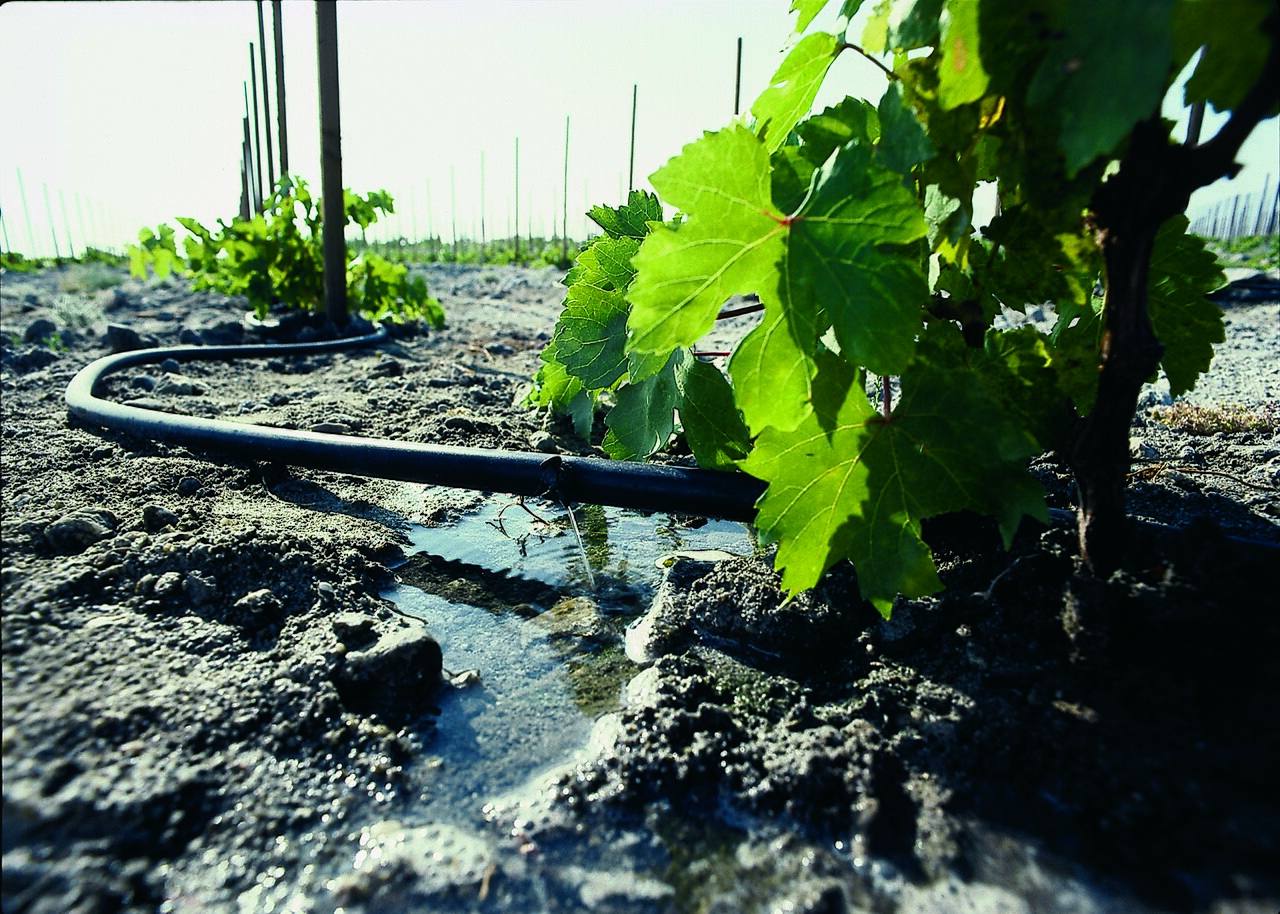
Los Carneros spans the Napa-Sonoma county line at the cool southern end of the valley, where the San Pablo Bay influence makes it one of the region's coolest growing areas.
Labeling follows the geography. A wine that names a sub-AVA located entirely in Napa County must also carry the Napa Valley name on the label; the two sub-AVAs that cross the county line, Los Carneros and Wild Horse Valley, fall outside that rule and stand on their own.
How to use them
Think of the AVAs as a map, not a ranking. The valley floor gives structure and ripeness; the mountains give intensity and lift; Carneros gives cool-climate precision. When a label names a place, it is telling you which of those the winemaker wanted you to taste.
Start with the wines of one AVA, then try its neighbor. The differences are the whole point of the system.
None to date. The Tribune corrects errors promptly and transparently. Read our corrections policy.