California Growers Pulled Up 47,229 Acres of Vines in a Year, New Mapping Finds
The 2026 California Winegrape Mapping Project counts 439,115 standing acres as of Aug. 1, with removals up by about 9,000 acres from the year before as the grape surplus grinds on.
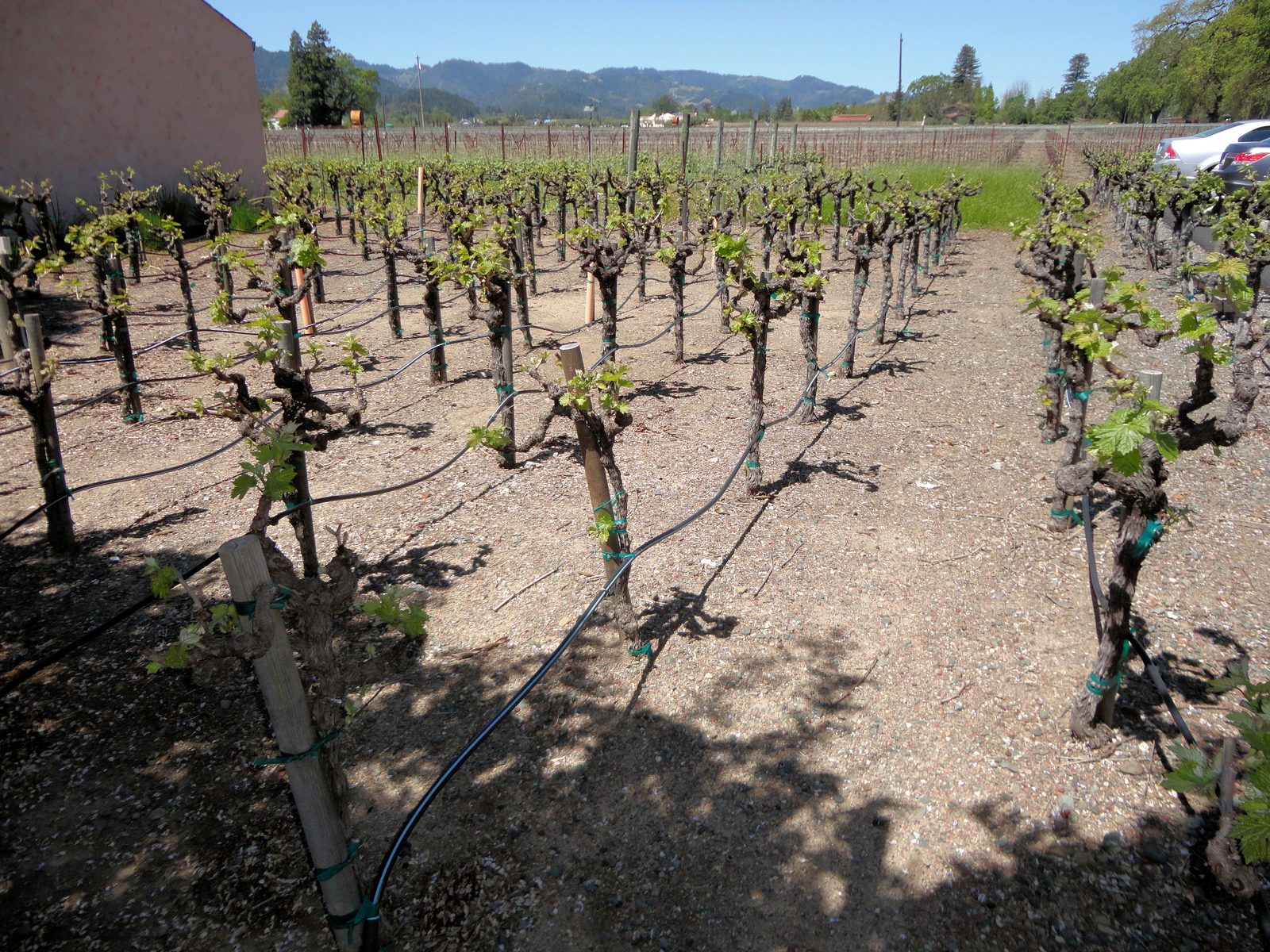
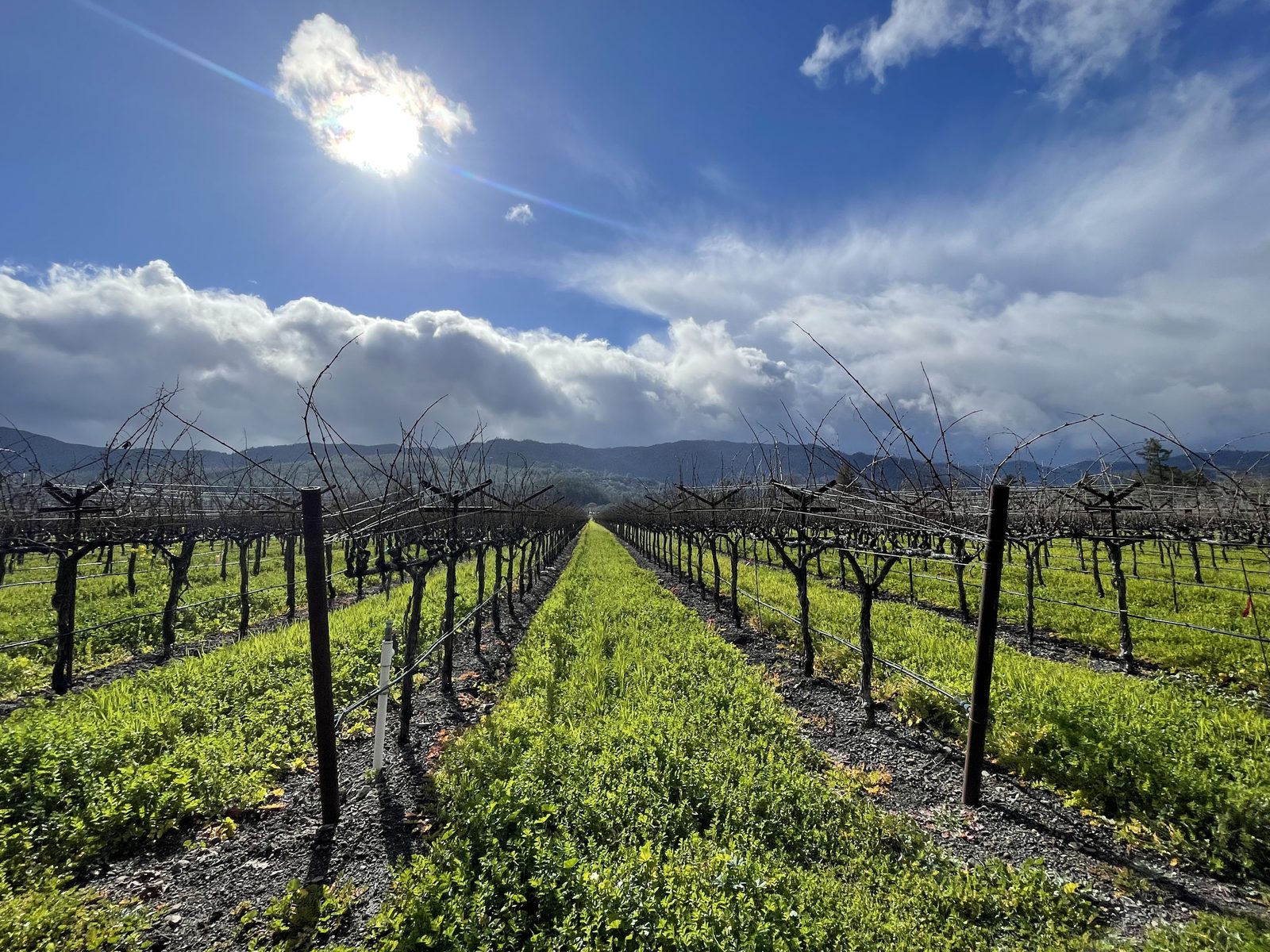
NAPA: California winegrowers removed 47,229 acres of vineyards between Aug. 1, 2025 and Aug. 1, 2026, according to the 2026 California Winegrape Mapping Project released Oct. 15 by the California Association of Winegrape Growers, known as CAWG. The mapping counts 439,115 acres of standing winegrape vineyards statewide as of Aug. 1, 2026.
The removals amount to nearly 10 percent of the state’s total vineyard land, the San Francisco Chronicle reported in its Oct. 16 account of the same report. Removals rose by about 9,000 acres from the year before, when more than 38,000 acres came out, the Chronicle said.
This project reflects our industry coming together to invest in better information at a time when we need it mostNatalie Collins, president, California Association of Winegrape Growers
Counted from the air and on the ground
The project was conducted by Land IQ, a Sacramento-based agricultural and environmental science firm, using remote sensing and on-the-ground field verification to map vineyard blocks statewide, according to CAWG. Results are summarized by county, Crush District and American Viticultural Area. The statewide summary and a project FAQ are public, while the full report and the interactive mapping tool are reserved to members of CAWG and participating regional organizations, the association said. No public Napa County acreage figure was released with the announcement.
Removals rose by about 9,000 acres from the year before, when more than 38,000 acres came out.
The count is a physical one. Standing acreage covers bearing, non-bearing, minimally farmed, mothballed and abandoned vineyards where vines remain in the ground, and the mapping does not distinguish among those categories or determine whether an individual vineyard is commercially active, according to the release. On that basis, Allied Grape Growers president Jeff Bitter estimated that California has about 400,000 acres of actively productive vineyards left, the Chronicle reported.
A surplus that is still working through the system
The removals follow a years-long grape surplus. Wine sales have fallen alongside overall alcohol consumption in the United States, which has spent two straight years at a historic low, and growers have been farming grapes they cannot sell, the Chronicle reported. Grape broker Turrentine Brokerage estimates roughly 28 million gallons of bulk wine are available for purchase in California, only about 15 to 17 million gallons of which are likely to sell, according to the Chronicle.
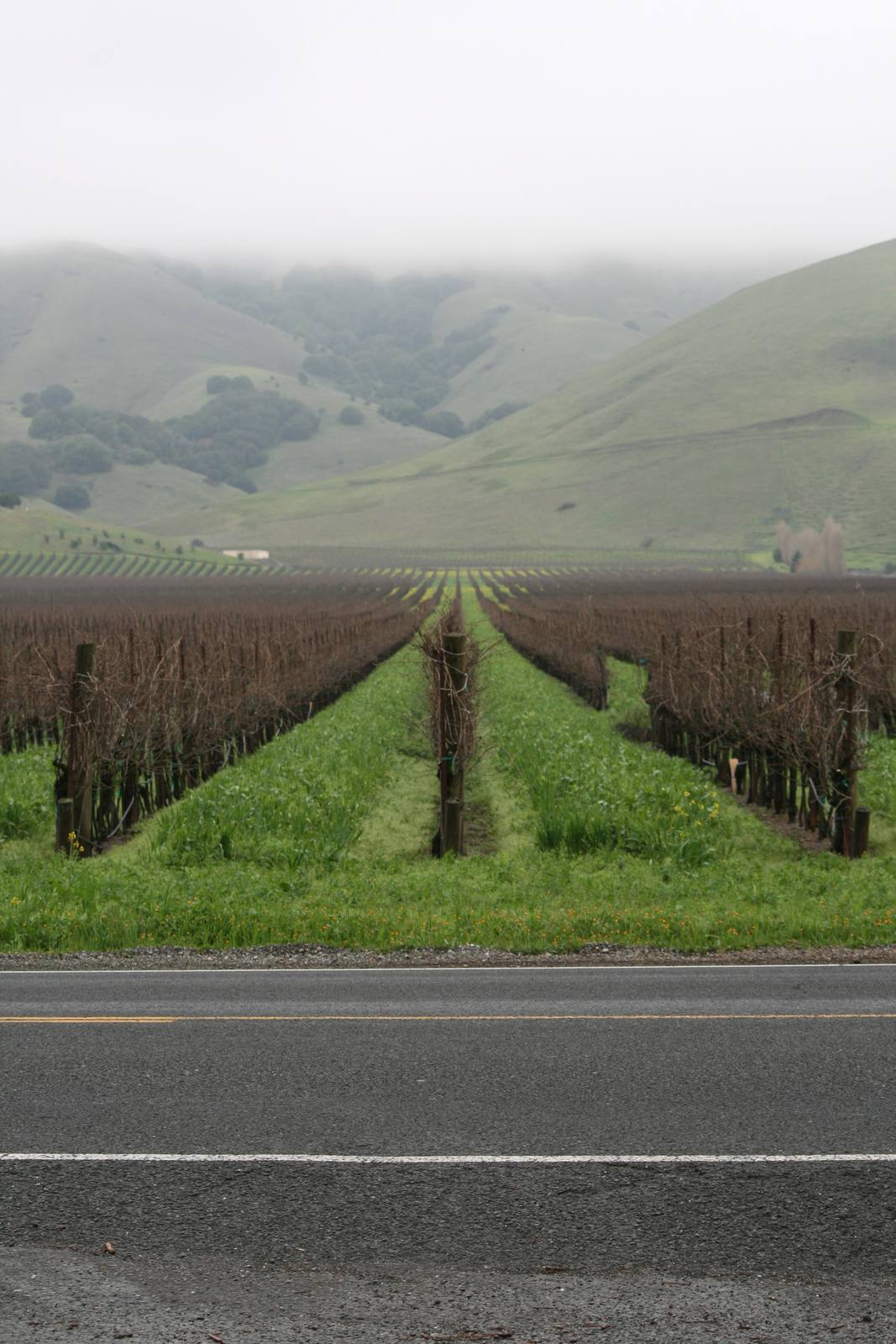
Bitter told the Chronicle the increase in removals did not surprise him, saying growers had expected more vines to come out between the 2025 and 2026 harvests than in prior years.
That it was going to reach a peak, in other words, of removals.Jeff Bitter, president, Allied Grape Growers, to the San Francisco Chronicle
Bitter said removals are on track to continue at a significant pace this winter, though he does not expect them to exceed this year’s total, and he stressed that the industry remains out of balance overall on supply and demand, the Chronicle reported.
Second year of the count
Now in its second year, the project builds on the inaugural 2025 mapping, which counted 477,475 standing acres as of Aug. 1, 2025 and 38,134 acres removed between October 2024 and August 2025, according to Wine Business reporting on the first release. The 2026 update incorporates newly captured acreage, classification changes and refined field boundaries, and CAWG cautions that newly captured acreage should not be read solely as new 2026 plantings.
The project was funded and supported by CAWG, Allied Grape Growers and regional organizations including Napa Valley Grapegrowers, according to the release. CAWG, Allied Grape Growers and Land IQ will host a webinar on Oct. 29 at 11 a.m. to discuss the findings and demonstrate the mapping tool, the association said.
Acreage is adjusting to a difficult market, but as we work to rebuild demand for California wine, we have to make sure the growers at its foundation are still farming when that demand returns.Natalie Collins, president, California Association of Winegrape Growers
None to date. The Tribune corrects errors promptly and transparently. Read our corrections policy.