For Sale in Napa: What the Listings Actually Say
A London magazine cover put a for-sale sign in a Napa vineyard this weekend. The county record is more specific: a $35 million ranch with an 1887 winery, an estate that cleared at about half its first asking price, a foreclosure fight on Silverado Trail, and the strongest direct-to-consumer shipping numbers in American wine.
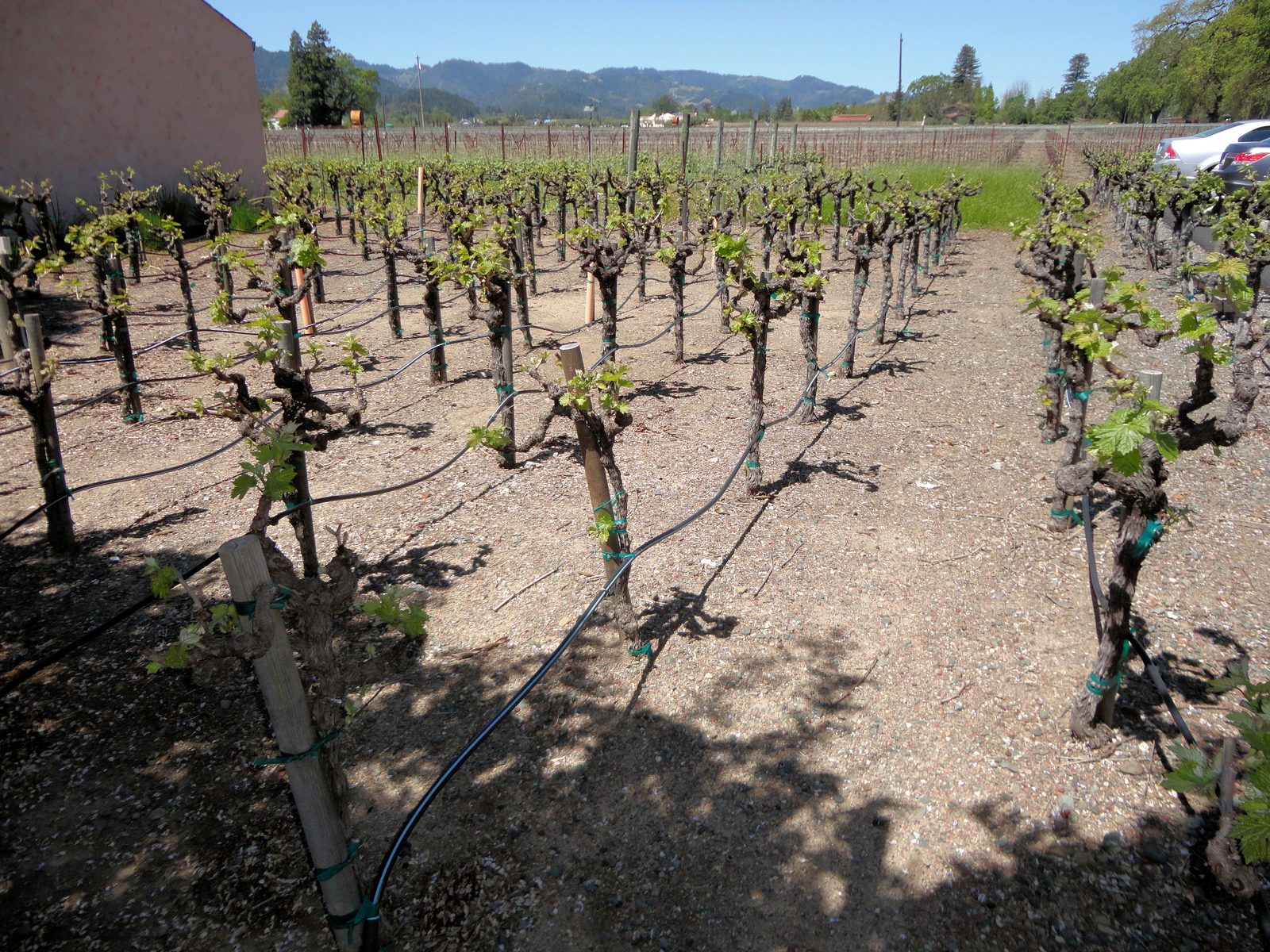
NAPA: The cover of the Financial Times Weekend Magazine this weekend plants a for-sale sign in a Napa Valley vineyard, in a photograph by Julien Sage. It is a striking image and a simple one. What is actually for sale in Napa County this fall is more specific than the cover, and in places stranger.
The top of the market: $35 million, and an 1887 winery
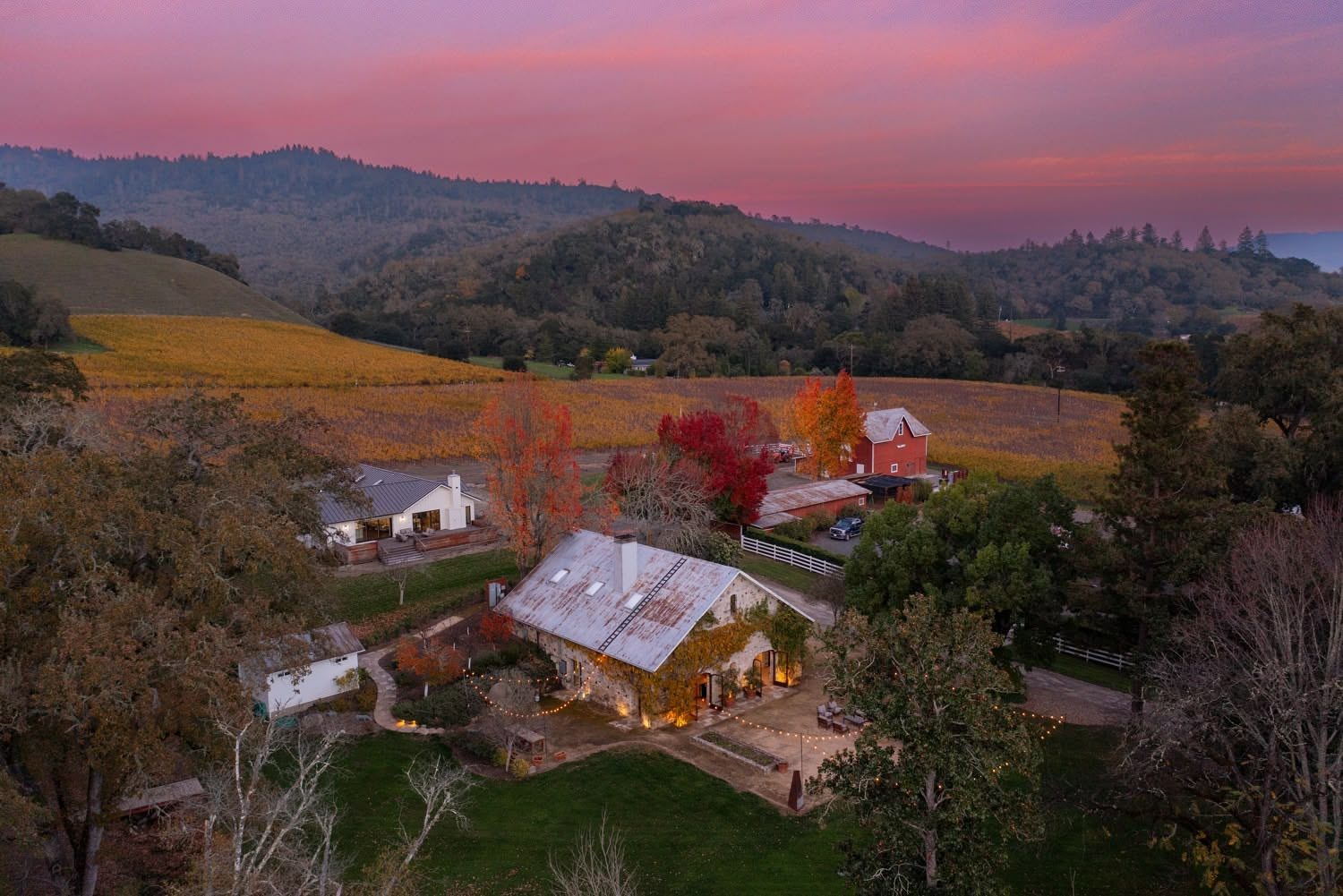
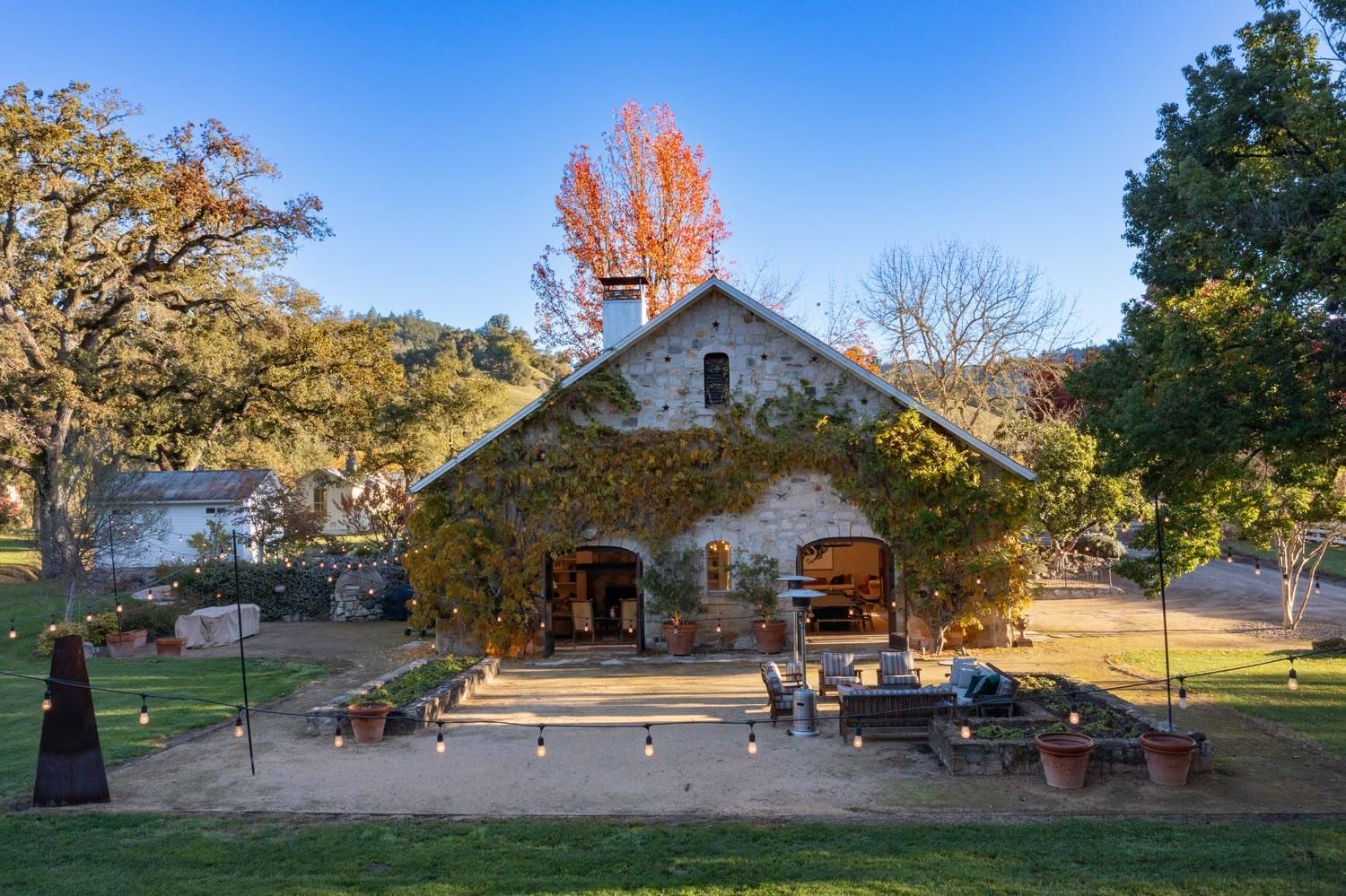
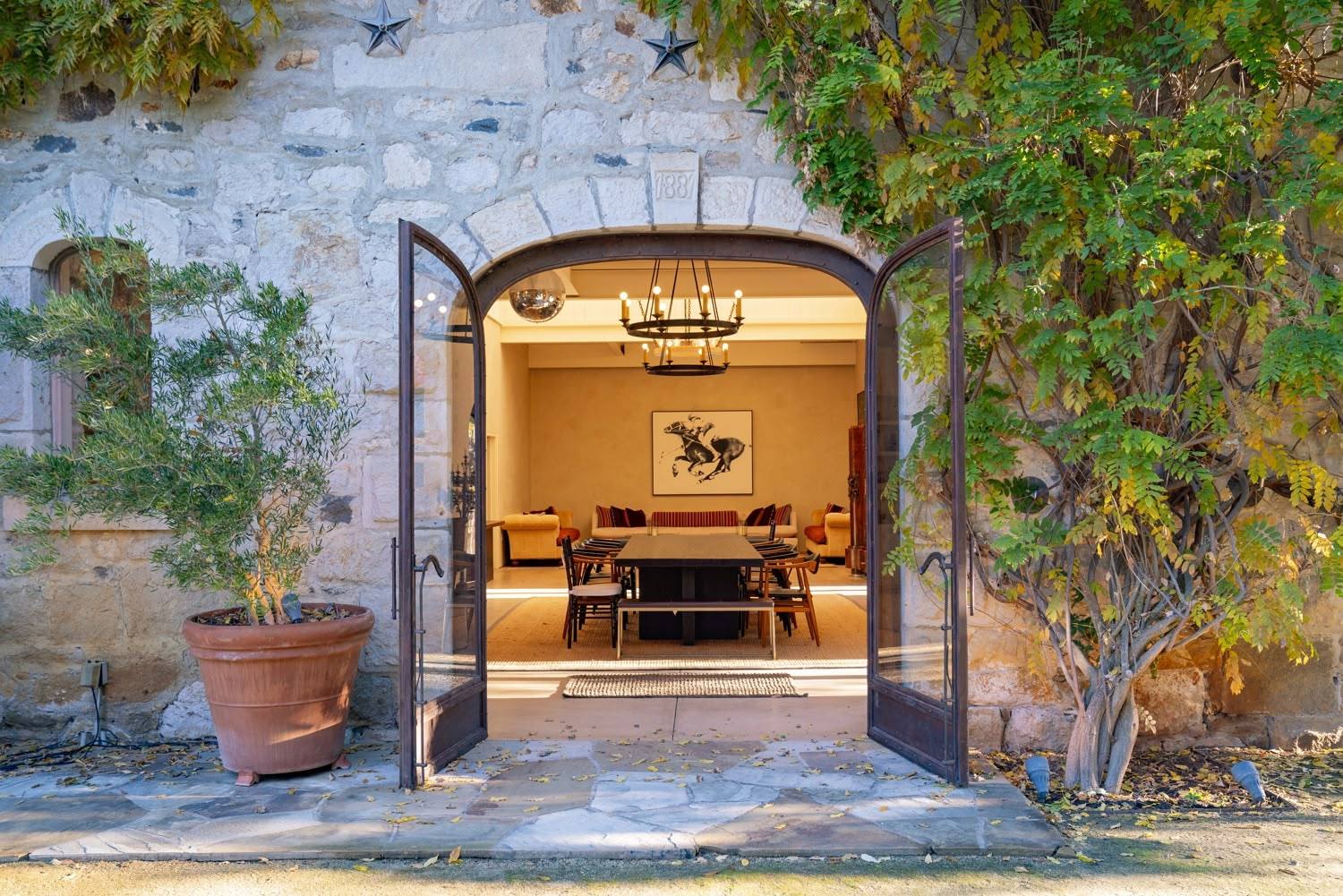
At the top of the current market sits La Herradura Ranch, on Conn Valley Road four miles from downtown St. Helena. The property’s own listing site prices it at $35,000,000: 151 acres in two parcels, 25.91 acres of vineyard planted in 2020, a further 47.4 acres described as plantable, a private lake of about 105 acre-feet, and a stone gathering house converted from a historic winery the site dates to 1887.
The seller is artist Matt Rogers, whose father, the late T. Gary Rogers, was the longtime chief executive of Dreyer’s Grand Ice Cream, according to Mansion Global, which reported the listing in September. Erin Lail of Coldwell Banker Brokers of the Valley brought it to market, Mansion Global said.
What is for sale in Napa County is not the valley. It is specific ranches at specific prices.
Below that level, the asking prices stay firmly in luxury territory. On Diamond Mountain above Calistoga, Vintroux is presenting a 53.04-acre estate at $5,395,000, with about 4 acres of Cabernet Sauvignon and a 4,622-square-foot residence, according to the brokerage’s listing. On Lodi Lane just north of St. Helena, the York-Alexander house, built in 1877, is listed on VineSmart at $7,000,000: 10.89 acres with 5.24 acres planted to Sauvignon Blanc. These are asking prices, not sales, and the difference matters, as the year’s completed deals show.
What actually cleared: half the first ask
Benessere Vineyards, a 42-acre estate and winery in St. Helena, was originally listed at $19 million, according to Concierge Auctions. The auction house opened bidding at $9 million in June and announced on June 26 that the property was pending sale for $10.15 million after 77 days of auction marketing, in cooperation with Sotheby’s International Realty, Wine Country. Later Concierge Auctions releases describe the Benessere sale as closed at $10.15 million.
The response to this offering reinforces that buyers around the world are actively seeking iconic vineyard and winery propertiesChad Roffers, chief executive and cofounder, Concierge Auctions
Buyers are also still paying eight figures for vineyard land they intend to farm. KHK Winery purchased the historic Trubody Ranch in the Oak Knoll District for $13 million in a deal finalized in January, Wine Spectator reported: 144 acres, about 122 of them vineyard, with nearly all of the vineyard area to be replanted, primarily with Cabernet Sauvignon.
The distress is real, and it has a name
The hardest case in the county is Signorello Estate, on Silverado Trail. The winery, founded in 1977, burned in the 2017 Atlas Fire, was rebuilt inside a new cave and reopened in June 2024, according to the San Francisco Chronicle. On Aug. 27, Signorello Estate LP and seven affiliates filed for Chapter 11 protection in the U.S. Bankruptcy Court for the Northern District of California, listing $10 million to $50 million in assets and liabilities, TheStreet reported from court documents. The filing was made to halt a foreclosure sale scheduled for Aug. 28 and to prepare a going-concern sale to stalking-horse investors, TheStreet said.
I opened my doors to a stormRay Signorello, owner, Signorello Estate, to the San Francisco Chronicle
The Chronicle’s September account adds the turns the first reports missed. The stalking-horse offer was $20 million, from his customers; the lender, American AgCredit, was owed about $37 million and opposed the debtor-in-possession financing in court; and owner Ray Signorello withdrew the bankruptcy filing, putting a courthouse auction back on for Oct. 2. Wine Spectator, in its October account of the correction, put the auction on Oct. 16, if the owners could not come to terms with leading creditors. Neither account reports a completed sale, and the two October dates do not agree. What is not in dispute is the sequence: a winery rebuilt after the fire at a cost its owner put at north of $30 million, and a foreclosure process running into the middle of harvest.
Wine Spectator’s October survey also reported that Judd’s Hill in Napa Valley had announced it was ceasing winery operations after nearly 50 years, and that Calistoga Vintner Services, a custom-crush operation, was scheduled for a foreclosure auction on Oct. 16.
The vines coming out, and the county’s own count
Statewide, the physical correction is measurable. The 2026 California Winegrape Mapping Project, conducted by Land IQ for the California Association of Winegrape Growers and released Oct. 15, counted 47,229 acres of wine grapes removed between Aug. 1, 2025 and Aug. 1, 2026, and 439,115 standing acres as of Aug. 1, 2026, as this newspaper reported Saturday morning. Removals rose by about 9,000 acres from the year before. The release published no Napa County acreage figure; the full county detail is reserved to association members.
The county’s own most recent count is its 2025 crop report, released in July by the Agricultural Commissioner: 42,937 bearing acres produced 144,807 tons of wine grapes worth $968,687,700, down 6 percent in value from 2024, at an average price of $6,690 a ton. A 6 percent decline is a correction. It is not a collapse.
The other side of the ledger
Nationally, the downturn is not in question. Silicon Valley Bank’s 2026 State of the U.S. Wine Industry report estimates U.S. wine sales at about 329 million cases and $74.3 billion in 2025, down 2.0 percent by case and 1.6 percent by dollars, with the decline driven largely by wines under $12. IWSR’s US Navigator data put U.S. wine volume down 6 percent in 2025, with wine volume falling in every state except West Virginia.
This is not a cycle you can wait outRob McMillan, founder, Silicon Valley Bank Wine Division
Within that decline, Napa’s premium position held in the channel that matters most to its small wineries. Napa was the only region in the country to grow direct-to-consumer shipment value in 2025, up 1 percent on an 8 percent volume decline, according to the 2026 Direct-to-Consumer Wine Shipping Report by Sovos ShipCompliant and WineBusiness Analytics. The average Napa bottle shipped at $99.97, up 9 percent, with Cabernet Sauvignon at $154.58, and Napa accounted for 50 percent of all U.S. direct-to-consumer shipping value. The wider channel fell 6 percent in value and 15 percent in volume. Visit Napa Valley counted 3.8 million visitors in 2025, who spent $2.2 billion, according to its 2025 Visitor Profile and Economic Impact Study.
So the cover is half right. Things are for sale in Napa, including famous names, and some of them are selling for far less than their owners first asked. Vineyards are coming out across California at a pace the state has not seen in decades. But the thing being sold is not the valley. It is individual ranches at individual prices, a bankruptcy fight on Silverado Trail, and a premium wine business that, by the shipping data, grew its value last year while the national market shrank. All of that is in the record at the same time.
None to date. The Tribune corrects errors promptly and transparently. Read our corrections policy.