Napa Green Opens Free Carbon Farm Plans as Its $3 Million Grant Reaches Growers
The plans cost growers nothing, they are first come, first served, and they double as the conservation plan a grower needs to tap grant money for compost, cover crops, grazing and hedgerows.
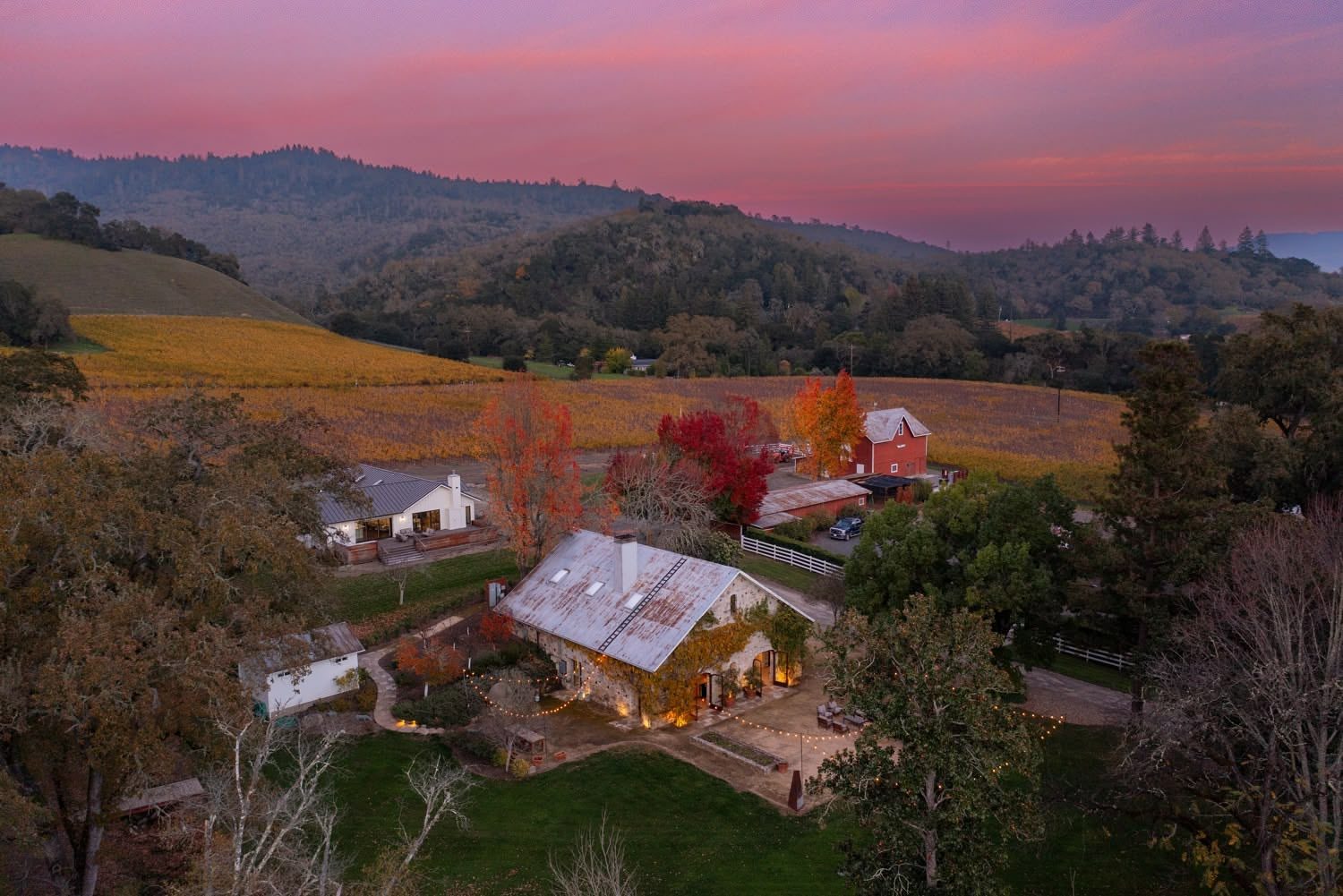
NAPA: Napa Green is offering Carbon Farm Plans at no cost to growers in the Napa area, the nonprofit said in an announcement on Monday, Oct. 19, with the plans funded by the $3 million grant it was recently awarded by the National Association of Conservation Districts. Availability is limited and the plans are offered first come, first served, so the organization is asking growers to complete its interest form promptly.
The plans are the key that unlocks the rest of the money. A Carbon Farm Plan maps how a farm can draw more carbon into its soil while guiding the management of land, water, soil and wildlife alongside farm production, according to the announcement, and the same document serves as the Conservation Plan a grower needs to access the grant funding.
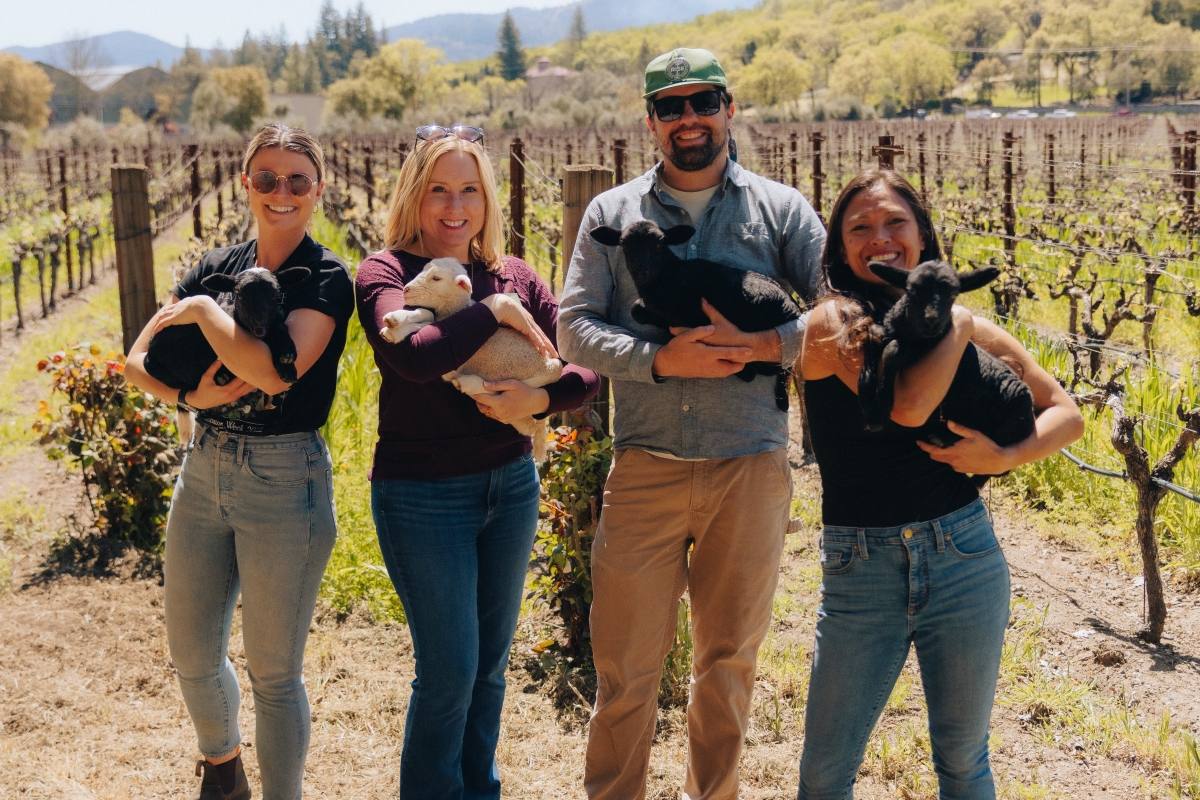
The Napa Green goal is to enrich the community and increase the resilience of the land, and we want to make that accessible to all growersBen Mackie, Vineyard Program Director, Napa Green, in its Oct. 19, 2026 announcement
Mackie added, in the same announcement, that the organization would love to work with each grower who comes forward and urged growers not to hesitate to reach out.
The plans cost growers nothing, and the same document serves as the Conservation Plan a grower needs to access the grant funding.
Over $2 million goes straight to growers
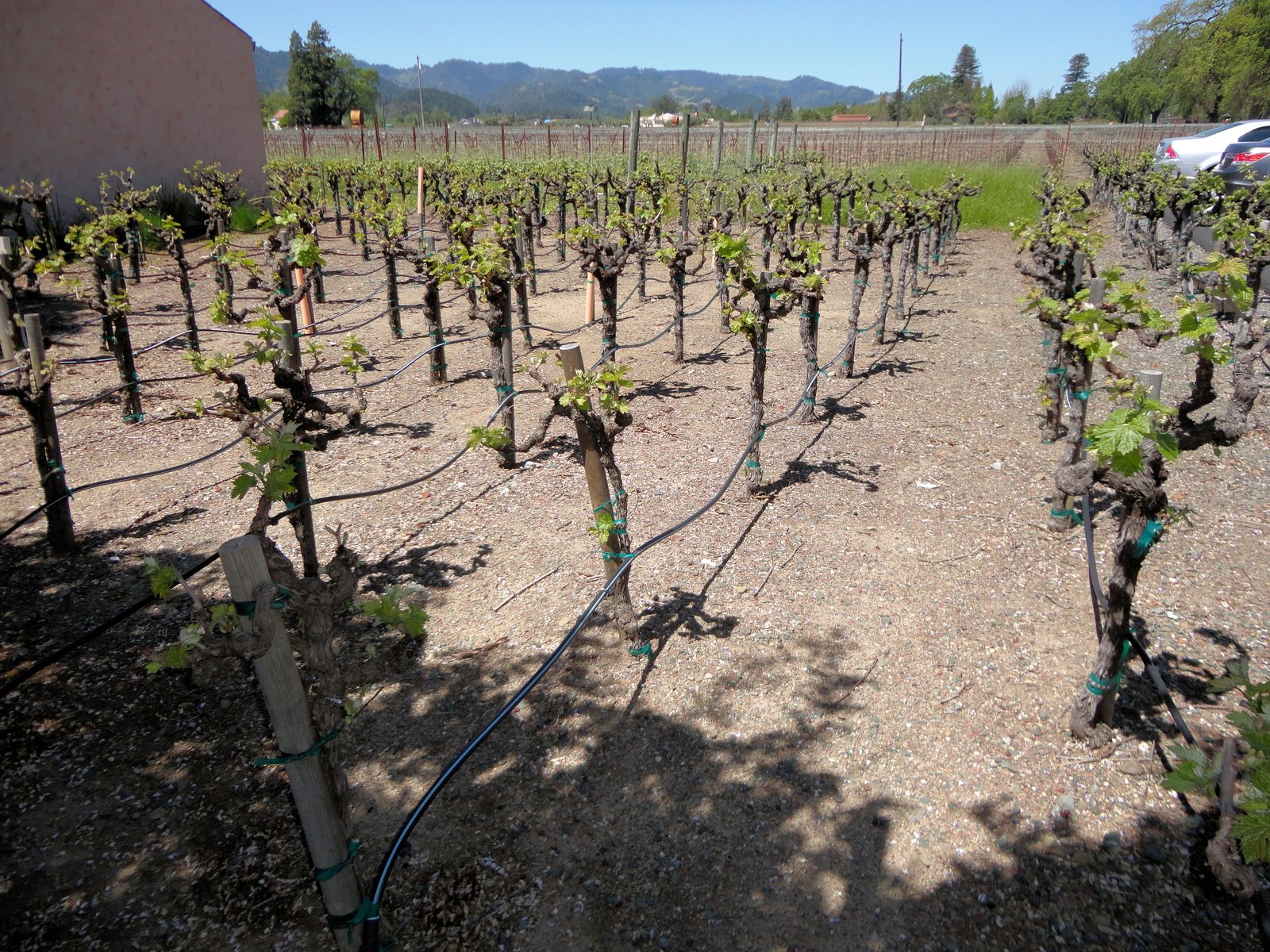
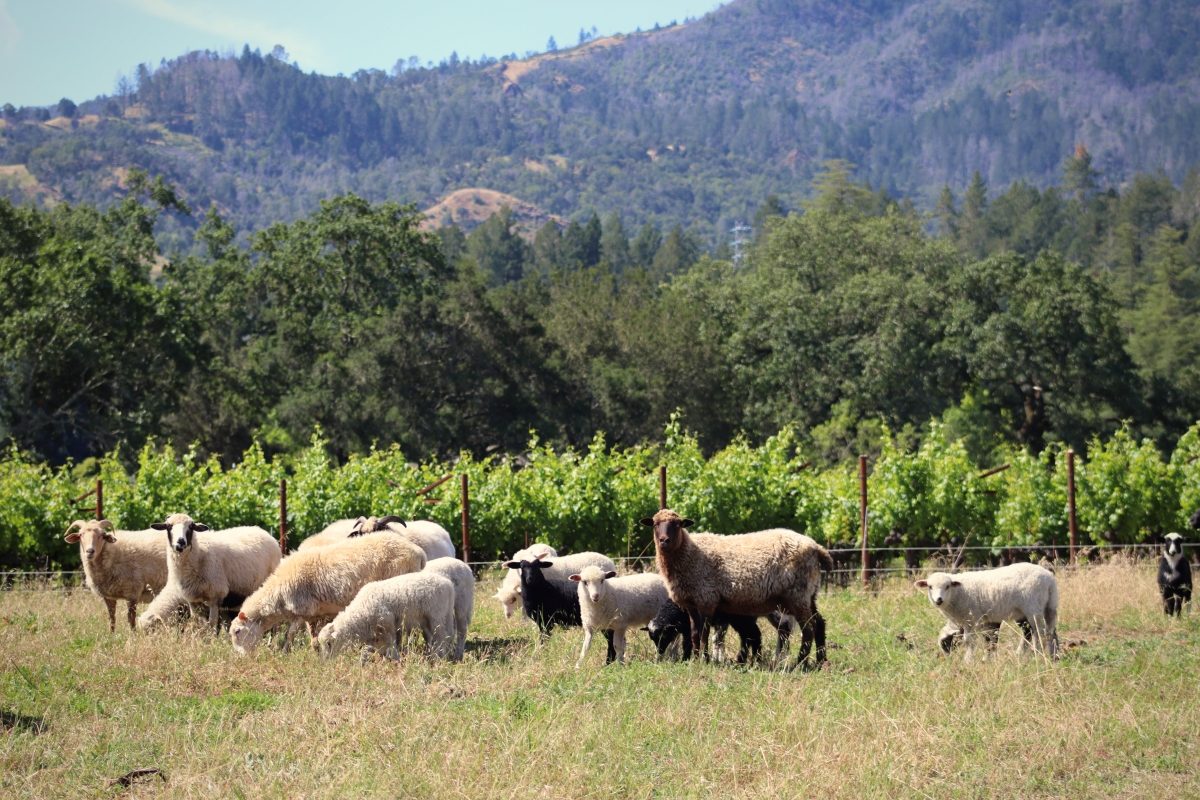
The award is a $3 million Advancing Markets for Producers grant, known as AMP, from the National Association of Conservation Districts, and over $2 million of it goes directly to local growers to put regenerative practices in the ground, Napa Green said. Eligible work runs from hedgerow establishment and prescribed grazing to no-till management, cover cropping and applications of compost or biochar. Growers can also seek funding for fallow fields.
When the grant was first announced on Sept. 3, Napa Green put the share flowing directly to growers at $2 million and listed much the same practices, from hedgerow planting and rotational grazing to no-till farming and compost and biochar worked in alongside cover crops. Monday’s announcement, the organization’s latest statement of its own program, puts the direct share at over $2 million and adds the free plans and the fallow field eligibility.
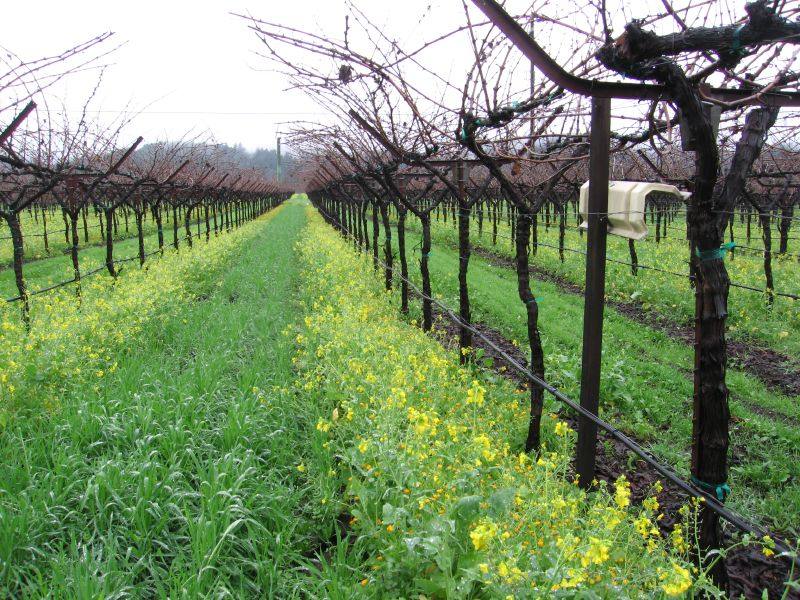
The case for the money, as Napa Green makes it, is the weather North Coast winegrape growers now farm through: more frequent and more intense heat spikes, drought and atmospheric rivers, along with worsening disease and pest pressure. Most of the vineyards in the region are family owned or smaller in scale, the announcement notes. The organization says the funded practices are meant to cut soil erosion, hold more water in the soil, reduce chemical inputs and energy use, and support more beneficial insects and birds.
A plan at the center of the program
Carbon Farm Plans are not new to Napa Green. The nonprofit builds its standards on more than 250 best management practices, and a customized Carbon Farm Plan sits at the core of its approach, creating a roadmap for sequestering carbon and for conservation practices that improve soil, water, forests and wildlife health, according to its Sept. 3 announcement. On Napa Green’s own site, implementing regenerative agriculture, soil health and Carbon Farm Plans is listed as one of the six core elements of Napa Green Vineyard certification.
The grant also lands on top of work already under way. In 2025, Napa Green helped more than 60 Regenerative Certified Vineyard members in Napa County stop using glyphosate based products, one step in a wider effort that aims to end all synthetic herbicide use by the close of 2027, the organization said in September. It described that transition as supported by hands-on field help, practical education, community building and fundraising to offset costs for growers, the same kind of cost pressure the new grant money is built to relieve.
This is a perfect time to secure funding for Napa County farms and ecosystemsBen Mackie, Vineyard Program Director, Napa Green, in its Sept. 3, 2026 announcement
In that same September announcement, Mackie pointed to the amount of fallow land in the county and to producers eager for support, and said the organization was excited to invest the $2 million then announced for direct grower support into local soils, biodiversity and communities, with returns he expected to pay out for decades.
For growers weighing the offer, the practical points are the price, which is nothing, the queue, which is first come, first served, and the paperwork, since the plan itself is the conservation document the grant requires. Growers can start with the interest form linked from Napa Green’s announcement at napagreen.org.
None to date. The Tribune corrects errors promptly and transparently. Read our corrections policy.